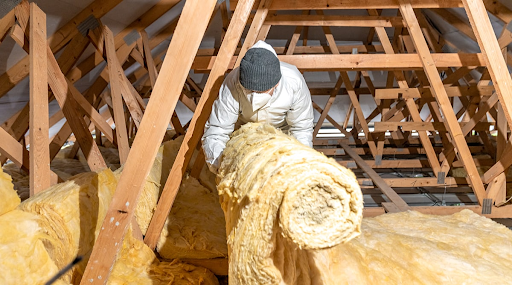
Insulation grants in the UK help households lower energy costs. These grants reduce heat loss. They are part of government schemes.
Many people are not sure who qualifies. It depends on your income. It also depends on your home type. Let’s look at the main criteria in detail.
What is an Insulation Grant?
An insulation grant is free or discounted help to improve your home. It covers the free loft insulation grant, in addition to wall insulation and sometimes underfloor insulation (rarely). The goal is to make homes warmer.
This reduces heating bills. It also lowers carbon emissions. Grants are often part of energy-saving schemes. The Energy Company Obligation is the most well-known. This is called ECO.
The ECO Scheme
The ECO scheme is the main programme. It makes energy firms pay for improvements. Larger energy suppliers must help certain households. They give free insulation or a large discount. To get help, you must meet the scheme rules.
The rules are about income and housing. Not every home can benefit. Not every person qualifies, either. It is important to check before applying.
Low Income Criteria
Most grants are for people on low incomes. You may need to claim benefits. Examples include Universal Credit or Pension Credit. Income Support and Jobseeker’s Allowance also count.
Child Tax Credit can also help you qualify. Each benefit has its own rules. Your household income must be below a set amount. This proves you need help. It shows your heating costs are a burden.
Pensioners and Older Households
Older people often face higher bills. Many live in cold homes. Pensioners are a key group for grants. If you receive Pension Credit, you may qualify. This includes both Guarantee Credit and Savings Credit.
Other benefits may also help. Energy firms often focus on older groups. Warmer homes can protect health. It can prevent illness during the winter months.
Families with Children
Families with children are also supported. If you claim Child Benefit, you may qualify. The income limits vary by family size. A single parent has a different threshold. Families with more children can earn more and still qualify.
The scheme recognises that children need warm homes. It is important for health and comfort. Families often use more energy. Grants help cut costs in these households.
Housing Type Rules
Not every home is suitable. Grants focus on certain property types. Cavity wall homes can get cavity wall insulation. Homes with loft space can get loft insulation. Some flats and rented homes also qualify.
Landlord permission may be needed. Solid wall insulation is more costly. It may be offered in some cases. The home must be energy inefficient. This means it loses too much heat.
Private Tenants and Landlords
Private tenants may also qualify. But they need landlord approval. Many landlords are now encouraged to improve homes. Minimum Energy Efficiency Standards apply. Grants help landlords meet those rules. Tenants can ask for improvements. If the landlord agrees, grants may cover the cost. The property must meet scheme requirements. This includes poor insulation or low EPC ratings.
Social Housing
People in social housing may also qualify. But the rules are different. If the property is energy efficient already, grants may not apply. Homes with EPC ratings E, F, or G may qualify. Higher ratings often do not.
The focus is on cold, hard-to-heat homes. Councils and housing associations may also run extra schemes. These add to government support.
Disability and Health Conditions
Some people qualify through health reasons. Cold homes can make health worse. People with disabilities or long-term illnesses may get priority.
This is often checked by your council. Sometimes, health services also refer people. Grants aim to reduce risks. Warmer homes help prevent hospital visits. They also improve daily comfort. Health and energy savings go hand in hand.
Energy Performance Certificate (EPC)
Your home’s EPC rating is often checked. Lower ratings mean more help. EPC shows how efficient a home is.
Ratings run from A to G. A is very efficient. G is very poor. Many grants are for E, F, or G homes. This ensures funds target the worst cases. Improving EPC can also increase home value. It makes future energy bills lower, too.
How to Apply
To apply, you usually contact energy suppliers. Some councils also manage schemes. You may need proof of benefits. You may also need proof of income.
A surveyor may visit your home. They check what insulation is possible. If approved, work is arranged. You may pay nothing. Sometimes you pay a small part. The grant covers the rest.
Final Thoughts
Insulation grants are a big help. They cut bills and improve comfort. They also reduce carbon emissions. Qualifying depends on income, benefits, and housing type. Pensioners, families, and low-income groups get the most support.
Poor energy ratings increase your chances. Health conditions may also help. It is worth checking your eligibility. Many households miss out because they never apply. If you are unsure, ask your energy supplier or council.
Stay in touch to get more updates & alerts on Coop Magazine! Thank you