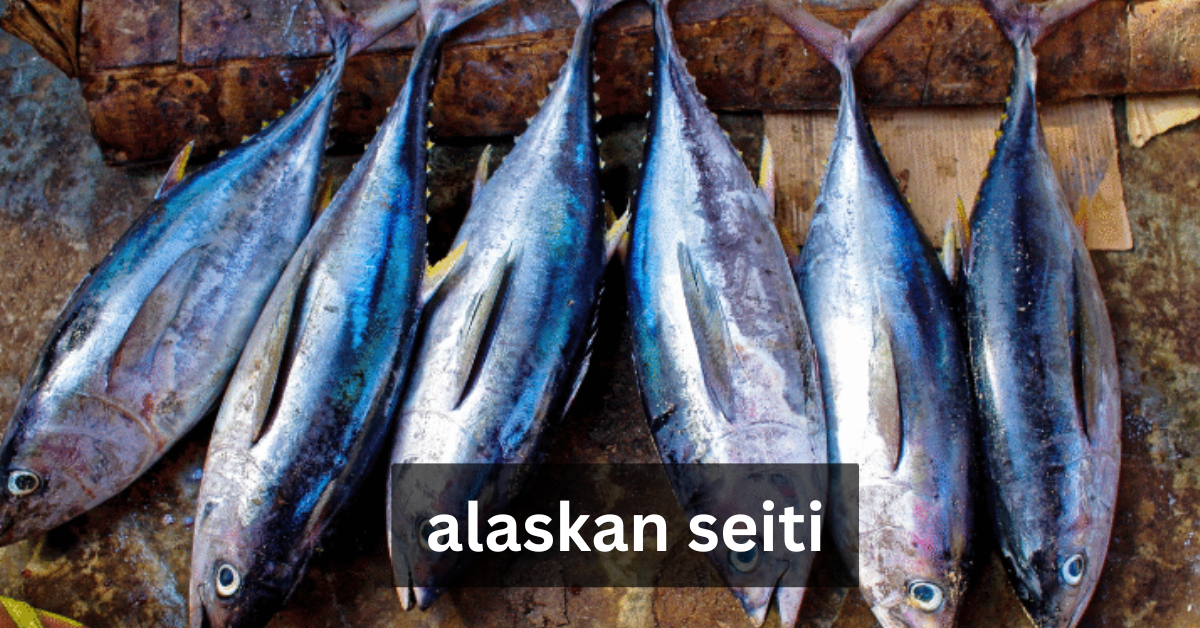
Alaskan Seiti, commonly referred to as Alaska pollock, is a highly nutritious whitefish that has gained international attention for its delicate, mild flavor and flaky texture. The species, scientifically known as Gadus chalcogrammus (formerly Theragra chalcogramma), inhabits the cold waters of the North Pacific, Bering Sea, and Gulf of Alaska. Alaskan Seiti is celebrated for its lean protein content, making it an ideal choice for health-conscious individuals and families looking to add nutritious seafood to their diets. Its versatility in cooking—from simple baked fillets to traditional soups—makes Alaskan Seiti a favorite in many cuisines, particularly in Northern Europe where it is known as alaskanseiti in Finnish.
Alaskan Seiti thrives in nutrient-rich, cold-water ecosystems such as the Bering Sea and Gulf of Alaska, which provide an abundant supply of plankton, krill, and small fish for its diet. These natural feeding grounds contribute to the high omega-3 fatty acid (EPA and DHA) content in Alaskan Seiti, supporting cardiovascular and cognitive health. According to NOAA Fisheries, the careful monitoring of Alaskan Seiti populations ensures sustainable fishing practices and long-term ecological balance. The fish’s resilience and rapid growth in these regions have made it a cornerstone species for commercial fisheries while also supporting local economies in Alaska and surrounding areas.
In recent years, Alaskan Seiti has surged in popularity due to its combination of nutritional benefits, affordability, and culinary adaptability. It is a low-fat, high-protein seafood choice that aligns perfectly with modern health-conscious diets. Additionally, consumers are increasingly concerned with the sustainability of the seafood they consume, and Alaskan Seiti fisheries often carry certifications such as MSC (Marine Stewardship Council) and support responsible fishing initiatives led by the Alaska Seafood Marketing Institute (ASMI). From home kitchens to fine dining establishments, Alaskan Seiti is valued not only for its health benefits but also for its ability to absorb flavors from herbs, spices, and marinades, making it an exceptional ingredient in a variety of recipes.
Biology and Classification of Alaskan Seiti
Scientific Name: Gadus chalcogrammus
Alaskan Seiti belongs to the cod family and is scientifically classified as Gadus chalcogrammus, distinguishing it from other cod-like species. Previously known as Theragra chalcogramma, this fish is a key component of the cold-water ecosystem. Its body is streamlined for efficient swimming in strong currents, and its silver-white fillets are prized for culinary use. The scientific classification helps fisheries and chefs alike understand its nutritional profile and optimal preparation methods.
Taxonomy and Species Details
As a member of the Gadiformes order, Alaskan Seiti shares biological characteristics with cod, haddock, and other pollock species. It has a relatively fast growth rate, reaching market size quickly, which supports sustainable harvesting practices. Its diet in the North Pacific and Bering Sea contributes to its high protein content and rich levels of marine omega-3 fatty acids, including EPA and DHA, making Alaskan Seiti a functional food that promotes heart and brain health. Understanding the taxonomy and ecological role of Alaskan Seiti provides insight into its importance both environmentally and economically.
Differences Between Alaskan Seiti and Other Whitefish
Compared to other whitefish such as cod and haddock, Alaskan Seiti is typically leaner and milder in flavor, which allows it to be incorporated into a wide variety of recipes. Its fillets have a flaky texture, and its low mercury levels make it a safer choice for frequent consumption. While cod may offer a stronger taste and slightly higher fat content, Alaskan Seiti provides similar nutritional benefits with enhanced sustainability due to well-managed fishing practices. This makes Alaskan Seiti particularly attractive for health-conscious consumers seeking both flavor and environmentally responsible seafood options.
Nutritional Profile of Alaskan Seiti
Macronutrients: Protein, Fat, Calories
Alaskan Seiti is celebrated for its lean protein content, with approximately 17 grams of protein per 100 grams of fillet. Its low-fat composition, often less than 1 gram per 100 grams, makes it an excellent option for weight management and cardiovascular health. With around 75 calories per 100 grams, Alaskan Seiti is a low-calorie, nutrient-dense food, making it suitable for a variety of diets including low-fat, high-protein, and seafood-focused meal plans. The balanced macronutrient profile of Alaskan Seiti ensures that it delivers essential energy without excess fats or calories.
Alaskan Seiti: Nutritious and Sustainable Whitefish
Key Vitamins and Minerals (B12, Selenium, Phosphorus)
In addition to macronutrients, Alaskan Seiti is rich in essential micronutrients. It contains significant levels of Vitamin B12, supporting energy metabolism and red blood cell formation. Selenium, a powerful antioxidant, helps protect cells from oxidative stress, while phosphorus promotes bone health and supports proper kidney and cellular functions. This combination of vitamins and minerals positions Alaskan Seiti as a nutrient-rich choice for maintaining overall health and supporting an active lifestyle.
Omega-3 Fatty Acids and Heart Health Benefits
One of the standout nutritional benefits of Alaskan Seiti is its high concentration of omega-3 fatty acids (EPA and DHA). These essential fats play a critical role in heart health by reducing inflammation, improving cholesterol levels, and supporting vascular function. According to Seafish, regular consumption of cold-water fish like Alaskan Seiti can contribute to long-term cardiovascular wellness. Beyond the heart, omega-3s support brain function, cognitive development, and eye health, making Alaskan Seiti a smart choice for families, athletes, and anyone seeking holistic nutritional benefits from seafood.
Health Benefits of Alaskan Seiti
Muscle and Weight Management
Thanks to its high protein content and low-calorie profile, Alaskan Seiti is an excellent food for muscle building and weight management. Protein supports muscle repair and growth, while the lean nature of Alaskan Seiti ensures that calorie intake remains controlled. Fitness enthusiasts and health-conscious individuals often include Alaskan Seiti in meal plans to maintain lean muscle mass and support satiety without excess fat intake.
Brain Function and Cognitive Health
The omega-3 fatty acids in Alaskan Seiti are widely recognized for supporting brain function. DHA, in particular, is essential for cognitive development and maintaining mental clarity. Regular consumption of Alaskan Seiti can help enhance memory, focus, and overall neurological health. This makes it an ideal choice for both children and adults seeking functional foods that contribute to long-term mental well-being.
Heart and Cardiovascular Support
In addition to supporting muscle and cognitive health, Alaskan Seiti promotes heart health. Its combination of lean protein and marine omega-3 fatty acids helps reduce inflammation and maintain healthy blood pressure. Regular consumption of Alaskan Seiti, as recommended by dietary guidelines, can reduce the risk of heart disease and improve overall cardiovascular function.
Culinary Uses and Popular Recipes
Cooking Methods: Baked, Pan-Fried, Steamed
Alaskan Seiti’s mild flavor and flaky texture make it incredibly versatile in the kitchen. Baking Alaskan Seiti fillets with herbs and lemon enhances its natural flavor, while pan-frying creates a crispy exterior without overpowering the delicate fish. Steaming Alaskan Seiti preserves its nutritional value and is an ideal method for low-fat meal preparation. No matter the method, Alaskan Seiti adapts well to spices, sauces, and marinades, making it a favorite among chefs and home cooks alike.
Traditional Finnish Recipes: Uuniseiti and Fish Soup
In Finland, alaskanseiti is traditionally baked in the oven as uuniseiti or used in hearty fish soups. These dishes highlight the fish’s tender texture and ability to absorb complementary flavors. Alaskan Seiti soup often combines fresh vegetables, potatoes, and aromatic herbs, resulting in a nourishing meal that showcases the fish’s versatility and nutritional benefits.
Alaskan Seiti in Processed Foods: Fillets, Surimi, Roe
Alaskan Seiti is commonly processed into fillets, imitation crab (surimi), and pollock roe such as Myeongnan, Mentaiko, and Tarako. These products allow consumers to enjoy the benefits of Alaskan Seiti in convenient formats, whether for sushi, sandwiches, or frozen meals. The fish’s mild flavor ensures it remains a versatile ingredient in both traditional and modern cuisines.
Tips for Handling and Storage
To maintain the quality of Alaskan Seiti, it should be stored properly. Fresh fillets are best consumed within 1–2 days or stored on ice. Frozen fillets retain their nutritional value for several months. Avoid thawing at room temperature, and always cook Alaskan Seiti thoroughly to ensure safety and preserve its delicate texture.
Sustainability and Environmental Impact
Wild-Caught vs Farmed Considerations
Most Alaskan Seiti is wild-caught in the Bering Sea and Gulf of Alaska, offering a sustainable alternative to farmed fish. Wild-caught Alaskan Seiti fisheries are regulated to prevent overfishing and maintain population health. Choosing wild-caught Alaskan Seiti supports responsible fisheries and protects marine ecosystems.
MSC Certification and Responsible Fishing Practices
The Marine Stewardship Council (MSC) certifies Alaskan Seiti fisheries that meet rigorous environmental standards. This certification ensures that the fish is harvested responsibly, with minimal impact on the ecosystem. Organizations like the Alaska Seafood Marketing Institute (ASMI) promote awareness of sustainable practices and help consumers make informed choices when buying Alaskan Seiti.
Environmental Challenges: Overfishing, Bycatch, Climate Change
Despite sustainable management, Alaskan Seiti fisheries face environmental challenges, including bycatch, overfishing, and climate change. Careful monitoring by NOAA Fisheries and adherence to MSC standards mitigate these risks, ensuring that Alaskan Seiti remains a responsible choice for environmentally conscious consumers.
Economic and Market Aspects
Availability and Affordability
Alaskan Seiti is widely available in global markets due to its abundance in the North Pacific and Bering Sea. Its rapid growth and high yield make it a cost-effective alternative to other whitefish such as cod and haddock. Supermarkets, fish markets, and online seafood retailers often sell Alaskan Seiti fillets, frozen portions, or processed forms like surimi. Its affordability does not compromise nutritional value, making it accessible to families, health-conscious consumers, and culinary professionals alike.
Global Seafood Market and Export Trends
Alaskan Seiti plays a significant role in the international seafood trade. The United States, Russia, and Asian countries are major suppliers, with processed forms like imitation crab (surimi) and pollock roe being particularly popular in Japanese, Korean, and European markets. According to NOAA Fisheries, sustainable harvesting practices support long-term supply stability, while certifications from the MSC and promotion by the Alaska Seafood Marketing Institute (ASMI) help maintain global demand for responsibly sourced Alaskan Seiti.
How Alaskan Seiti Supports Local Fisheries
Fisheries harvesting Alaskan Seiti contribute significantly to local economies, particularly in Alaska. Jobs in fishing, processing, and distribution provide livelihoods for communities while supporting sustainable practices. By buying wild-caught Alaskan Seiti, consumers can directly support responsible fisheries that prioritize both environmental and social sustainability.
Comparison With Other Whitefish
Alaskan Seiti vs Cod
While Alaskan Seiti and cod are both lean whitefish, Alaskan Seiti is typically lower in fat and slightly milder in flavor. Cod has a firmer texture and stronger taste, which may not blend as easily into diverse recipes. Nutritionally, both fish provide high-quality protein and essential nutrients, but Alaskan Seiti stands out for its sustainability certifications and rapid population recovery, making it an eco-friendlier choice.
Alaskan Seiti vs Haddock
Haddock is similar to Alaskan Seiti in terms of taste and culinary versatility, but Alaskan Seiti has a slightly flakier texture and is often more affordable. Both fish can be baked, pan-fried, or steamed, yet Alaskan Seiti’s neutral flavor allows it to absorb spices and marinades more readily. It also has lower mercury levels, making it suitable for frequent consumption.
Substitutions in Recipes and Cooking Tips
Alaskan Seiti can seamlessly substitute for cod, haddock, or Atlantic pollock in recipes such as fish soups, casseroles, and baked fillets. Its mild flavor ensures that seasonings and sauces are highlighted rather than overpowered. When preparing Alaskan Seiti, gentle cooking methods such as steaming or baking preserve the flaky texture and maintain nutrient density, especially omega-3 fatty acids and B vitamins.
Choosing and Buying Alaskan Seiti
Fresh vs Frozen Fillets
When purchasing Alaskan Seiti, consumers can choose between fresh and frozen fillets. Fresh fillets offer superior texture and flavor if consumed promptly, while frozen options retain nutrients for longer storage. Always check for wild-caught labels and ensure the fish is firm, moist, and free of discoloration. Proper storage at low temperatures preserves both flavor and nutritional quality.
Reading Labels and Ensuring Sustainability
Look for MSC certification or other eco-labels when buying Alaskan Seiti to confirm sustainable fishing practices. The Alaska Seafood Marketing Institute (ASMI) also provides guidance on identifying responsibly harvested fish. Reading labels helps consumers make informed choices that support both personal health and environmental stewardship.
Tips for Cooking High-Quality Alaskan Seiti
High-quality Alaskan Seiti should be cooked using gentle methods that preserve nutrients. Baking, steaming, or pan-frying with minimal oil are ideal. Avoid overcooking, which can dry out the fillets and reduce omega-3 content. Pairing Alaskan Seiti with fresh herbs, citrus, and light sauces enhances flavor without compromising health benefits.
Frequently Asked Questions
Is Alaskan Seiti Healthy?
Yes, Alaskan Seiti is an exceptionally healthy whitefish. It is low in fat, high in protein, and rich in essential micronutrients like Vitamin B12, selenium, and phosphorus. Its omega-3 fatty acids (EPA and DHA) contribute to heart, brain, and eye health, making it a top choice for balanced diets.
How Many Calories Are in Alaskan Seiti?
Alaskan Seiti is low-calorie, with approximately 75 calories per 100 grams of fillet. Its lean protein content and low-fat profile make it suitable for weight management and calorie-conscious meal planning.
Where Can I Buy Alaskan Seiti?
Alaskan Seiti is available in supermarkets, fish markets, and online seafood retailers. It is sold fresh, frozen, or as processed fillets and products like imitation crab (surimi) and pollock roe. Always check for wild-caught sources and MSC certification to ensure sustainability.
Can I Substitute Alaskan Seiti in Recipes?
Absolutely. Alaskan Seiti can replace cod, haddock, or Atlantic pollock in most recipes, including soups, baked dishes, and casseroles. Its mild flavor and flaky texture make it an adaptable choice for various cuisines.
Is Alaskan Seiti Sustainable?
Yes, when sourced from certified fisheries, Alaskan Seiti is considered a sustainable option. Organizations like MSC and the Alaska Seafood Marketing Institute (ASMI) ensure responsible fishing practices, protecting marine ecosystems while maintaining healthy fish populations.
Summary
Alaskan Seiti is a versatile, nutritious, and eco-friendly whitefish. Its high protein content, low fat, and abundance of vitamins and omega-3 fatty acids make it ideal for health-conscious diets. Culinary versatility—from baked fillets and soups to processed products like surimi and pollock roe—ensures that Alaskan Seiti is a staple in both home and professional kitchens.
As global awareness of sustainability grows, Alaskan Seiti is expected to remain a popular choice in seafood markets. Its abundance in the North Pacific, responsible fishing practices, and consumer demand for healthy, lean protein ensure that Alaskan Seiti will continue to thrive in both local and international markets.
To fully enjoy Alaskan Seiti, focus on gentle cooking methods, pair it with fresh herbs and citrus, and ensure sustainable sourcing by looking for MSC certification or guidance from ASMI. By incorporating Alaskan Seiti into your diet, you support personal health, culinary exploration, and responsible seafood consumption.