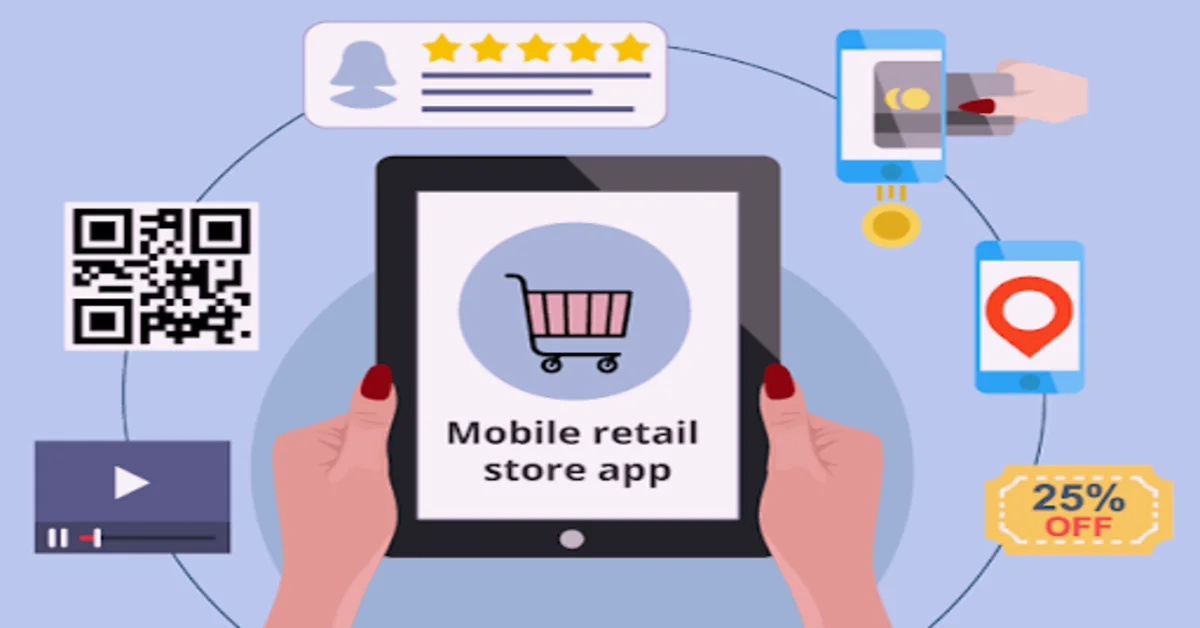
Think about the last time you bought something without pulling out your phone first. Maybe you got it out to check reviews and compare prices. And of course, we have all been there, seeing if there was a better deal somewhere else.
It’s almost like an instinct now. It’s the same way we check for reviews before trying out a new place for food. It’s very natural. Our phones aren’t just simple devices for us anymore. They’re like digital assistants for us now. They follow us everywhere, from the couch to the checkout counter at your favorite retail store. Yes, because how often do you go somewhere without your phone? That number is almost zero.
Are you running an online store, a physical shop, or both? If you are, you probably know about the way this shift has changed the rules of retail. Honestly, it is full of benefits for businesses like yours. That’s amazing, you’ll know more once you read more.
Here’s the interesting part: customers don’t separate their experiences the way businesses often do. To them, it’s all one journey. They might discover a product on social media and explore it on an app. But then, when they walk into a store, they expect the same ease and speed they get online. That too, with personalization. If that experience feels disconnected or off, they notice and move on.
So, in this blog, we’ll look at all the main benefits that you can get by using mobile apps for your store. So whether it’s online or offline, get ready to go digital!
Why Do Mobile Apps Matter in Retail Today?
Retail today moves at the speed of the customer… and the customer is almost always on their phone. Shopping no longer happens in a straight line. It’s spontaneous and influenced by moments that happen anywhere and anytime. You can probably even relate to this randomness:
- A shopper might browse products during a commute
- Afterwards, they will compare prices while standing in a store
- If they like the product, they will just complete a purchase late at night with just a few taps.
- If not, they will just compare prices or move on to another product.
Mobile apps fit naturally into this behavior because they’re built for how people actually live. They don’t work the way retail used to work. That’s where mobile apps start to matter in a very real way. They’re no longer just a nice-to-have feature or a loyalty add-on. If you look at how things work today, you’ll see that they’ve become the reason that online convenience is connected with in-store experiences.
What Are The Benefits of Mobile Apps For Both Online And Offline Retailers
At first glance, online and offline retailers might seem like they’re playing two very different games. Of course, this is because one lives entirely in the digital world. On the other hand, one works with face-to-face interactions. When you think of it that way, of course, it feels different.
But when you zoom out, the goal is exactly the same. It is to attract the right customers and make every interaction feel effortless. This is where mobile apps level things up. They offer a lot of benefits for both businesses and shoppers. Everybody loves that!
Unified Customer Data and Insights
Mobile apps give retailers a clearer picture of how customers behave across both online and offline platforms. From browsing habits to purchase history, everything comes together in one place. This unified view makes it easier to understand what customers really want. You can also calculate when they want it and how they prefer to shop.
Stronger Brand Presence and Recognition
When a brand literally lives on a customer’s phone, it stays on top of their mind. A well-designed mobile app reinforces brand identity every time it’s opened. This has roots in psychology because it creates familiarity and trust over time. For both online and physical retailers, this consistent presence helps build recognition far beyond a single visit or purchase.
Reduced Checkout Time With Quick Mobile Payments
Mobile apps simplify the checkout process by supporting fast and secure mobile payments. Whether customers are shopping online or in-store, shorter checkout times are a blessing. They naturally mean less frustration and fewer abandoned purchases. A credible retail app development company can even make sure that each payment is highly secure.
Omnichannel Shopping Experience
Mobile apps act as the bridge between online and offline shopping. Customers can browse online and complete purchases however they choose to. This smooth and easy flow removes any barriers and allows shoppers to move freely. They naturally go between channels without feeling disconnected.
Improved Communication With Customers
With mobile apps, communication becomes more direct and timely. Retailers can share updates and promotions in simple ways. This way, important information does not get missed. They also do no have to rely solely on email or ads. This keeps customers informed and engaged, while also making interactions feel more personal and relevant.
Higher Conversion Rates
Mobile apps reduce friction by offering personalized experiences. This way, they make it easier for customers to move from browsing to buying. With the use of features like saved preferences and targeted offers, interest turns into action. This is because users love some interaction across both online and in-store journeys. This makes the whole experience more enjoyable for them.
Conclusion
Retail and shopping are not just about shelves or screens. They are about living in the moment and being an icon. Those quick decisions, comparisons, second thoughts, and “yes, I’ll buy this” clicks that happen in between daily life. Mobile apps fit perfectly into those moments because they don’t interrupt the customer journey; they move with it. They add convenience and make shopping feel like a natural part of everyday routine.
For retailers, this isn’t just about keeping up with trends. It’s about staying present where customers already are. A mobile app is really powerful, actually. It has the potential to become your store’s constant companion. When done right, it doesn’t replace the in-store experience or the online one. It improves both.