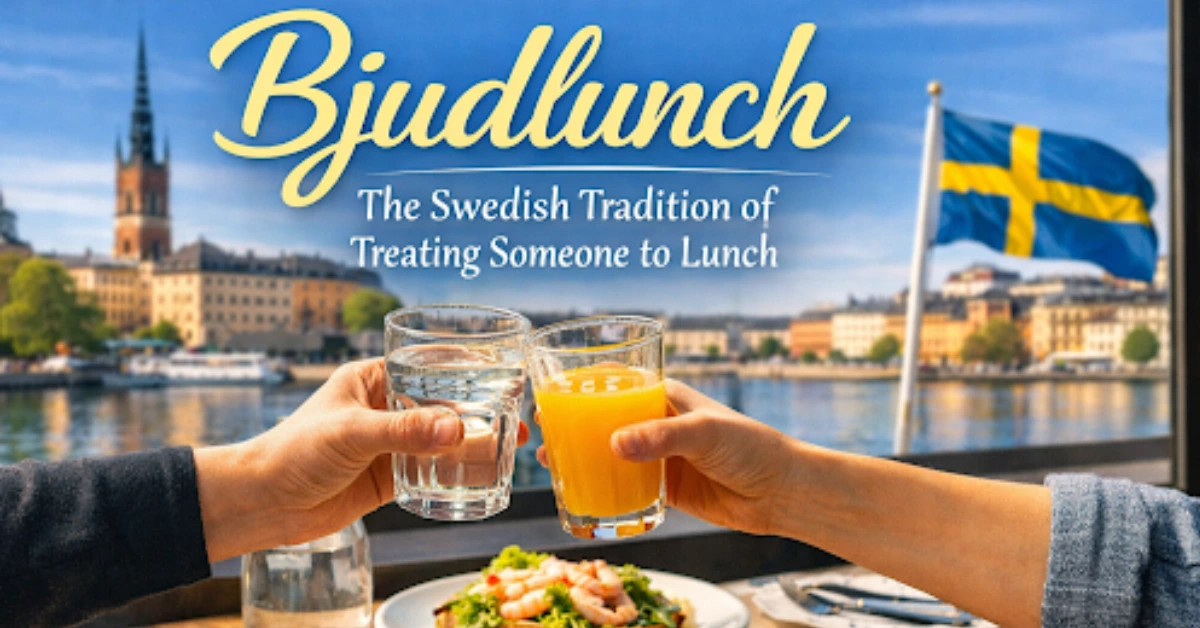
Bjudlunch is a simple, generous gesture: one person treats another to lunch. At its heart, it’s an invitation that signals warmth, appreciation, or the desire to strengthen a relationship. Unlike formal banquets, a Bjudlunch is casual and sincere; the host offers the meal, and the guest accepts the gesture with gratitude.
Understanding this custom gives visitors and colleagues authentic insight into Swedish lunch tradition and hospitality in Swedish culture. It’s not just about food — it’s a social signal that reflects values like equality, modesty, and approachability. For anyone doing business with Swedish teams or building friendships there, knowing the gentle rules of a Bjudlunch makes conversations smoother and connections deeper.
A Bjudlunch blends the hospitality tradition Sweden is known for with practical social etiquette. It’s a moment to practice Swedish lunch etiquette, such as accepting modestly, keeping conversation balanced, and avoiding ostentation. The ritual also reinforces the cultural idea of lagom—doing just enough to express care without excess.
RELATED: Gel Ooru: Symbol of Victory and Heritage
The Meaning and Origins of Bjudlunch
Linguistic roots: bjuda + lunch
The word comes from the Swedish verb bjuda (to invite or treat) combined with lunch. That straightforward linguistic pairing reflects the custom’s uncomplicated nature: an invitation to eat that implies generosity and companionship.
Historical context in Sweden
Historically, communal eating in the country has always had social importance. Over the decades, as cafés and casual bistros became popular urban meeting places, the practice of treating someone to lunch evolved from households to workplaces. The modern Bjudlunch became a favored way to connect without formalities.
Connection to Swedish values: equality, simplicity, and lagom
This custom sits squarely within core cultural values: a sense of equality (everyone eats, no big displays of status), simplicity (modest venues and menus), and lagom—the idea of “just the right amount.” A Bjudlunch is generous but measured, hospitable but low-key.
Bjudlunch in Everyday Swedish Life
Social settings: friends, family, and acquaintances
Among friends and family, a Bjudlunch is often spontaneous. Someone might say, “I’ll bjuda you lunch” to mark a celebration or just to enjoy company. It’s a friendly ritual that strengthens bonds by centering time together rather than gift-giving.
Professional settings: workplace, business meetings, and networking
In the Swedish workplace, Bjudlunch functions as a natural professional gesture. Managers might treat team members to celebrate success, or colleagues might invite clients to discuss projects. The approach is typically practical and sincere — an unassuming way to build rapport.
Typical venues: cafés, bistros, and lunch spots
Most Bjudlunches happen in everyday spots: local cafés and bistros, lunch counters, or casual restaurants. These settings emphasize comfort, accessibility, and calm conversation — perfect for the relaxed, egalitarian vibe the custom conveys.
Etiquette and Best Practices for a Bjudlunch
Who pays and how to accept graciously
By definition, the inviter covers the meal. If someone says, “I’ll treat,” accept politely. A simple “Thank you, that’s lovely” is the Swedish-style response. Avoid insisting on splitting the bill—accepting graciously respects the host’s gesture.
Appropriate invitations and phrasing
When inviting, clarity and warmth are key. Phrases like “Jag bjuder på lunch” (I’ll treat you to lunch) are common. Keep the invitation unpretentious; a short message specifying time and place is both polite and efficient.
Menu selection and dining considerations
Choose venues with variety to accommodate dietary needs; Swedish lunch spots often offer balanced, fresh options. Avoid extravagant choices; the Bjudlunch favors modest, quality choices that align with Swedish values of equality and lagom.
Do’s and don’ts of a Swedish lunch invitation
Do be punctual, respectful, and modest. Do accept the host’s generosity. Don’t make the meal about status or flashiness. Avoid heavy-handed negotiation over who pays — let the host treat this time.
Bjudlunch in Modern Work Culture
Team bonding and employee appreciation
Companies use Bjudlunch as a low-cost, high-impact way to recognize contributions. A casual lunch creates space for open conversation and appreciation without the formality of awards ceremonies. It’s human-centered, boosts morale, and nurtures team cohesion.
Client meetings and business networking
Treating a client to lunch can soften negotiations and improve relationships. In contexts where business is collaborative, a Swedish business lunch acts as a professional courtesy that builds trust. Keep the tone conversational and collaborative rather than transactional.
Adaptations in remote or hybrid work settings
With remote teams, the spirit of Bjudlunch translates to digital gestures: sending a food delivery voucher, organizing a virtual lunch hour, or arranging a hybrid meet-up. These adaptations keep the office lunch culture Sweden values alive even when teams are distributed.
Benefits of Hosting or Attending a Bjudlunch
Strengthening social connections
A Bjudlunch is an intentional pause — two or more people step out of routine to listen and engage. This focused time encourages empathy, shared understanding, and memorable conversations that deepen relationships.
Promoting workplace collaboration and trust
Shared meals break down hierarchy. When a manager treats a team, it signals appreciation and accessibility. This small act fosters psychological safety, encouraging employees to share ideas and collaborate more openly.
Cultural enrichment and personal growth
For international guests, participating in a Bjudlunch is a gentle introduction to Swedish culture. It offers experiential learning about local norms, communication styles, and hospitality — expanding cultural competence in an authentic, friendly way.
Real-Life Examples and Case Studies
Bjudlunch among friends: casual, informal gatherings
Example: Anna invites a new colleague for lunch after a joint project. Over sandwiches and conversation, they trade stories and lighter professional insights. The informal setting accelerates trust and leads to ongoing collaboration.
Corporate Bjudlunch: professional etiquette and strategy
Case: A small tech firm treats its developers for a celebratory lunch after a successful product launch. The CEO’s gesture is modest but sincere; it acknowledges effort and strengthens team loyalty without appearing performative.
Cross-cultural insights: how international guests experience Bjudlunch
Many visitors appreciate the straightforward warmth of a Bjudlunch. For guests from cultures with more formal hospitality codes, the unpressured simplicity can feel refreshingly honest. Explaining the custom in advance helps guests accept gracefully.
Comparison with Other Swedish Meal Traditions
Fika vs. Bjudlunch: coffee breaks and lunch culture
Fika — the cherished coffee-and-chat ritual — is about pausing for coffee, cake, or conversation. Bjudlunch is a heartier communal meal. Both reinforce connection, but fika is more frequent and snack-centered; Bjudlunch is a stronger gesture of hospitality and often carries more intentionality.
Other Nordic hospitality practices
Across the Nordics, hospitality values are similar — modesty, warmth, and a focus on genuine connection. Bjudlunch aligns with broader Nordic hospitality customs, where shared time and fairness often matter more than showy gestures.
Global equivalents: business lunches around the world
Other cultures have their own versions: business lunches in many countries can be formal or showy. The Scandinavian twist is the balance — a Bjudlunch conveys seriousness and friendliness without hierarchical excess.
How to Plan the Perfect Bjudlunch
Tips for hosts: invitations, timing, and location
Choose a convenient time (midday), comfortable cafés and bistros with varied menus, and a clear, friendly invitation. Confirm dietary needs in advance, and pick a venue with quiet enough seating for conversation.
Conversation starters and cultural considerations
Begin with light, open questions: ask about hobbies, recent projects, or travel. Avoid politically charged topics unless you know the guest well. Focus on active listening — the goal is connection, not interrogation.
Making it memorable without extravagance
Small touches—choosing a thoughtful spot, suggesting a shared dish, or leaving a short thank-you note—make a Bjudlunch memorable. The charm lies in sincerity, not spending.
RELATED: Ракитовица: Language and Botany Explained
Frequently Asked Questions
Is Bjudlunch mandatory in Swedish culture?
No — it’s a custom, not a requirement. It’s a friendly, voluntary way to show appreciation or start a conversation. People value it as a warm gesture rather than an obligation.
Can anyone host a Bjudlunch?
Yes. Anyone can host a Bjudlunch. From friends to managers, the act of inviting and treating is open to all. The key is to keep the invitation modest and sincere.
How is Bjudlunch evolving in modern Sweden?
It’s adapting. Digital vouchers, hybrid meet-ups, and smaller group lunches reflect changing work patterns. But the core values — generosity, equality, and calm conversation — remain strong.
How should I decline politely if I can’t attend?
Respond with gratitude and a short reason: “Thank you so much — I’d love to another time but I’m booked today.” Offer an alternative if appropriate.
Does the host always pick the venue?
Usually yes, but a collaborative approach works well: suggest a few options and ask which the guest prefers. This respects equality and avoids discomfort.
Summary
Bjudlunch is a powerful, low-key way to build relationships. Rooted in Swedish culture and guided by values like lagom and equality, it turns a meal into an opportunity for honest conversation and mutual respect.
Whether you’re an international guest, a manager, or a friend, offering a Bjudlunch is a simple, high-impact act of kindness. Try it — the return is often deeper trust and stronger connections.
In a world that often prizes spectacle, the Bjudlunch reminds us that genuine gestures — modest, mindful, and well-timed — are the ones that last. Embrace the calm generosity of this tradition and watch simple lunches become lasting relationships.