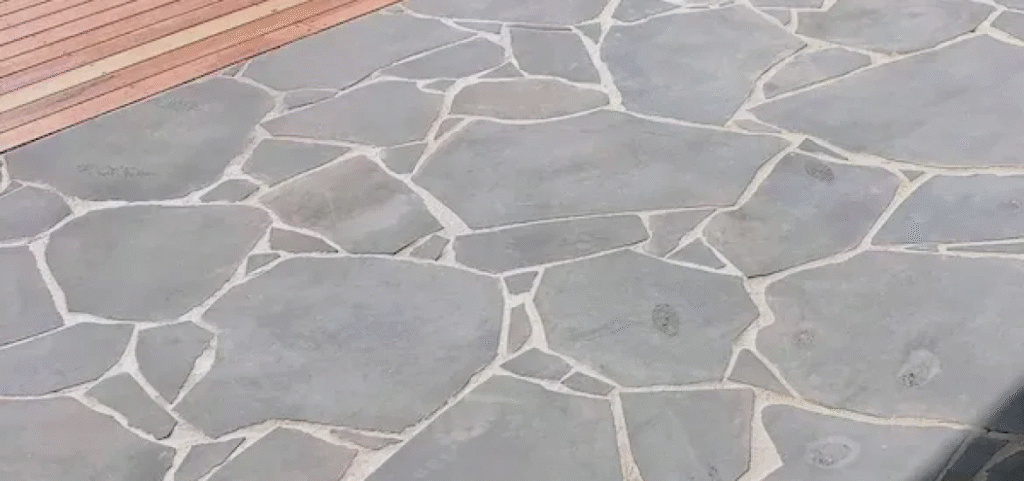
Imagine strolling through your backyard on a warm afternoon, your feet sinking into a patchwork of natural stones that look like they’ve been plucked straight from a fairy-tale forest. That’s the charm of crazy paving pavers – those quirky, irregular stones that turn ordinary paths into works of art. If you’ve been eyeing ways to add some personality to your outdoor space without breaking the bank, you’re in the right spot.
In this guide, we’ll talk into everything you need to know about crazy paving, from what it is to how you can make it your own. We’ll keep things straightforward, like chatting over a cup of coffee, and by the end, you’ll be ready to roll up your sleeves and get paving.
What Exactly Is Crazy Paving?
Picture this: a jigsaw puzzle where the pieces don’t quite fit perfectly, but somehow, they create the most stunning picture. That’s crazy paving in a nutshell. It’s a style of paving that uses irregularly shaped natural stones laid out in a free-form pattern, often with minimal grout lines to let the stones shine. Unlike uniform bricks or slabs, crazy paving embraces the chaos – hence the “crazy” part! – for a rustic, one-of-a-kind look.
Originating from old European gardens, it’s made a big comeback in modern homes. In Australia, where backyards are all about that outdoor lifestyle, crazy paving pavers are a go-to for creating pathways, patios, and even indoor features. The stones can be anything from smooth travertine to rugged sandstone, each adding its own flavor. It’s not just functional; it’s like giving your garden a personality transplant. Who wouldn’t want a path that feels alive underfoot?
The Allure of Different Types: Finding Your Perfect Paver
One of the best things about crazy paving? The variety. You can mix and match to suit your vibe, budget, and space. Let’s explore some popular options that can turn heads in your neighborhood.
First up, bluestone. This deep blue-grey beauty is tough as nails and perfect for high-traffic spots like driveways or courtyards. It has a subtle sheen that catches the light just right, making your path look expensive without the hefty price tag. If you’re after something cool and contemporary, bluestone’s your pick – it’s even great around pools since it doesn’t scorch your feet on hot days.
Then there’s sandstone, with its warm, earthy tones and textured surface. Think golden browns and soft yellows that blend seamlessly into garden beds. It’s ideal for patios or alfresco areas where you want that inviting, sun-baked feel. Sandstone adds a touch of the outback to your backyard, and its natural grip makes it slip-resistant – a win for families with kids running around.
For a touch of luxury, go with travertine or limestone. These come in creamy whites or soft blue-greys, offering a smooth, polished look that’s straight out of a high-end resort. Travertine is especially pool-friendly; it stays cool and elegant even under the Aussie sun. Both are versatile for outdoor paths or even indoor sunrooms, bringing that organic elegance inside.
Don’t overlook flagstone for a bolder statement. These are larger, chunkier pieces that create a seamless, rustic finish. They’re fantastic for expansive garden pathways or feature walls, giving off major cottage-core vibes. And if you’re thinking big, large crazy paving skips the tiny gaps altogether for a flowing, almost seamless design.
Sizes vary too – from small, puzzle-like bits for intricate patterns to hefty slabs for dramatic effects. Colors range from moody blues to sunny earth tones, so you can match your home’s style. Pro tip: Order free samples (many suppliers offer them) to see how they play with your sunlight and soil. It’s like swatching paint, but way more fun!
Why Crazy Paving Deserves a Spot in Your Garden
Okay, so it’s pretty – but is it practical? Absolutely. Crazy paving pavers aren’t just eye candy; they’re built to last. Made from natural stone, they’re super durable and can handle everything from heavy foot traffic to Australia’s wild weather. Rain? No problem – they drain well and resist cracking. Heatwaves? Stones like travertine keep things cool, making them a smart choice for pool surrounds where you don’t want to fry your toes.
Aesthetically, they add that “wow” factor. Your boring concrete slab transforms into a conversation starter. Guests will ooh and aah over the random patterns, and it’ll make your outdoor space feel more connected to nature. Plus, with fewer grout lines (especially in larger formats), there’s less dirt buildup and easier cleaning.
Budget-wise, it’s a steal. Suppliers often run sales – up to 25% off – and since it’s local stone, delivery is quick across Australia, from Melbourne to Sydney. It’s eco-friendly too, using what’s already in the earth rather than manufactured tiles. And for indoor use? It’s trending big time for feature walls or floors, adding warmth to sterile spaces. In short, crazy paving isn’t just paving; it’s an investment in joy and longevity.
Your DIY Roadmap: Installing Crazy Paving Like a Pro
Ready to get hands-on? Installing crazy paving might sound intimidating, but break it down into simple steps, and it’s totally doable – even if you’re more “weekend warrior” than pro landscaper. Grab some gloves, a shovel, and a friend for the heavy lifting. Here’s how to lay it out in plain English.
Step 1: Plan and Prep Your Space
Start by sketching your design. Measure the area – say, a 5m pathway – and mark it with string and stakes. Dig out the soil to about 10-15cm deep, depending on your stone thickness. Level the base with a rake, then add a 5-7cm layer of road base or crusher dust. Compact it with a plate compactor (rent one cheaply) for a firm foundation. This prevents sinking later. Pro tip: Slope it slightly away from your house for drainage – about 1-2% drop.
Step 2: Set Up the Border
Lay edging – like metal strips or timber – around the perimeter to keep everything in place. Secure it with pegs and concrete if needed. This is your puzzle frame; get it right, and the rest flows easier.
Step 3: Mix and Lay the Stones
Dry-lay your pavers first. Arrange the irregular shapes like a giant jigsaw, flipping and rotating until they fit snugly. Aim for tight joints – no big gaps unless you want a wilder look. Once happy, lift them aside. Now, spread a 2-3cm layer of sand or mortar bed over the base. Place each stone back, tapping gently with a rubber mallet to bed it in. Use a spirit level often to keep things even. Work in sections to avoid rushing.
Step 4: Fill the Gaps
Sweep fine sand or polymeric sand into the joints. For a bonded look, use mortar mix – just a thin layer to avoid cracking. Mist it lightly with water to set. If you’re going grout-free, the stones’ edges do the work.
Step 5: Seal and Finish
Let it cure for 24-48 hours. Then, apply a stone sealer with a roller or brush – two coats for protection against stains and weathering. Walk on it lightly at first, then enjoy!
Tools you’ll need: Shovel, mallet, level, compactor, sand/mortar. Time? A weekend for a small path. If it’s big, call in pros for a free quote. Safety first – wear sturdy shoes and eye protection.
Easy Maintenance: Keeping the Crazy Alive
The best part? Crazy paving is low-fuss. Sweep regularly to zap leaves and debris. For stains, a hose and mild soap do the trick – no harsh chemicals that could etch the stone. Re-seal every 1-2 years, especially in sunny spots, to fend off fading. Weeds in joints? Pull ’em or use a vinegar spray. With this routine, your path will look fresh for years, staying as vibrant as the day you laid it.
Conclusion
There you have it crazy paving pavers aren’t just stones; they’re the secret sauce for a backyard that steals the show. From the rugged charm of flagstone to the sleek luxury of travertine, there’s a style for every dream. We’ve covered the what, why, and how, all in bite-sized pieces so you can tackle it without the overwhelm. Whether you’re crafting a stepping-stone trail through flowerbeds or edging a pool with cool elegance, this paving style brings nature’s whimsy right to your door.