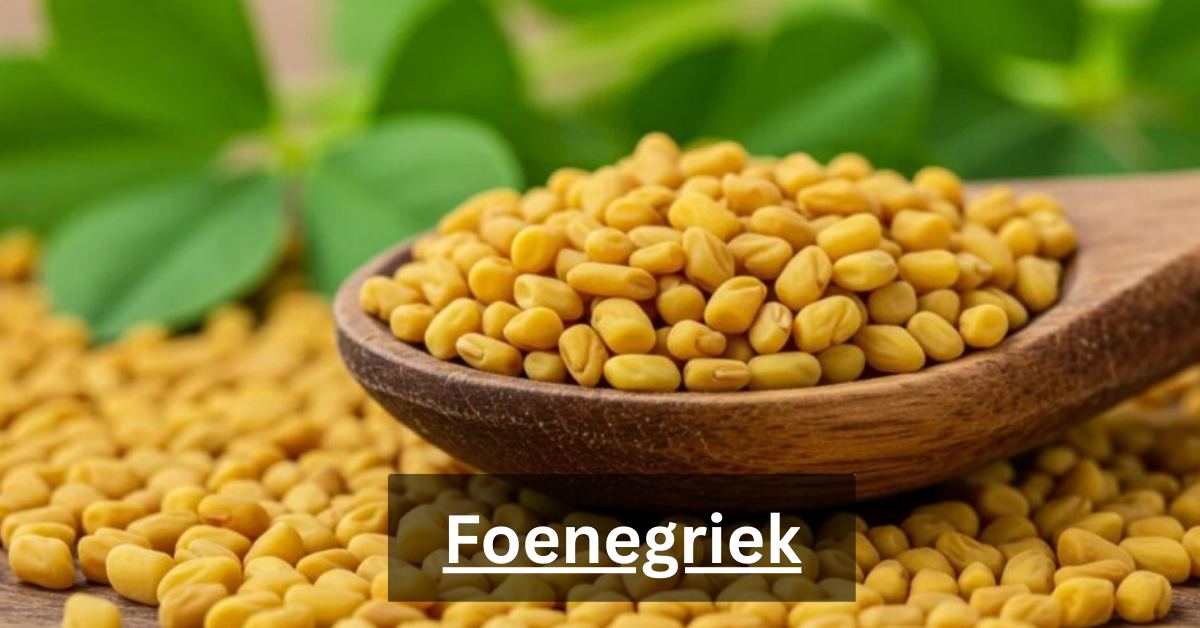
Foenegriek, scientifically known as Trigonella foenum‑graecum, is a versatile herb in the Fabaceae family, celebrated for its seeds, leaves, and aromatic properties. Often referred to as fenugreek in English, foenegriek has been treasured for thousands of years for its medicinal, culinary, and cosmetic applications. Its seeds contain compounds like diosgenin, 4‑hydroxyisoleucine, saponins, and flavonoids, which offer a variety of health benefits.
Known for its slightly bitter yet nutty flavor, foenegriek seeds are widely used in cooking, while its leaves—fresh or dried as methi or kasuri methi—add a distinctive taste to dishes. Additionally, foenegriek is available in powders, capsules, oils, and teas, making it convenient for modern wellness routines.
Foenegriek is native to southern Europe, the Mediterranean, and western Asia, historically used both as a medicinal herb and animal fodder—hence its Latin name foenum‑graecum, meaning “Greek hay.” Ancient civilizations, including the Egyptians and Greeks, valued it for digestive and hormonal health, while traditional medicine systems in India and China integrated it for wellness purposes.
Over centuries, foenegriek became an integral part of culinary traditions across India, North Africa, and the Middle East. Its unique flavor profile also contributed to its use in spice blends like panch phoron in Bengal and berbere spice mix in Ethiopia.
In modern times, foenegriek is experiencing a resurgence thanks to its proven health benefits, adaptability in global cuisine, and growing popularity in natural skincare and haircare products. Wellness enthusiasts are drawn to foenegriek for its role in blood sugar regulation, heart health, digestive support, and hormone balance. Its culinary versatility, coupled with nutritional richness, makes it a superfood worth exploring in daily diets.
Botanical and Nutritional Profile of Foenegriek
Plant description: leaves, seeds, and flowers
Foenegriek is a low-growing annual plant with slender stems, trifoliate leaves, and small white or yellow flowers. Its seeds are small, golden-brown, and aromatic, while the leaves are edible and highly nutritious. These leaves are called methi in India and kasuri methi when dried, offering a distinctive aroma and flavor.
Key bioactive compounds: diosgenin, 4-hydroxyisoleucine, saponins, flavonoids
The seeds and leaves of foenegriek are rich in bioactive compounds:
- Diosgenin: A natural phytoestrogen supporting hormonal balance
- 4-hydroxyisoleucine: Amino acid that improves insulin regulation
- Saponins: Promote heart health and cholesterol management
- Flavonoids: Powerful antioxidants protecting cells from damage
- Alkaloids: Offer anti-inflammatory and antimicrobial properties
These compounds collectively explain foenegriek’s multiple health-promoting effects.
Nutritional value: vitamins, minerals, protein, and fiber
Foenegriek seeds are a nutritional powerhouse:
- Rich in protein, making them excellent for vegetarian diets
- Contains dietary fiber, aiding digestion and gut health
- Provides iron, magnesium, and manganese, essential for metabolism and heart function
Loaded with vitamins A, C, and B-complex, supporting immunity and energy
The combination of nutrients and bioactive compounds makes foenegriek a functional food for both health and culinary purposes.
Cultivation regions and varieties (methi, kasuri methi)
Foenegriek is cultivated worldwide, especially in India, Egypt, Morocco, and the Mediterranean region. Popular varieties include:
- Fresh methi leaves: Used in cooking and salads
- Kasuri methi (dried leaves): Adds aroma to curries and breads
- Foenegriek zaden (seeds): Ground or used whole in cooking, teas, and supplements
This adaptability in cultivation ensures year-round availability for both culinary and medicinal use.
Health Benefits of Foenegriek
Foenegriek for Blood Sugar and Diabetes
Foenegriek seeds are renowned for their ability to regulate blood sugar. Compounds like 4-hydroxyisoleucine improve insulin secretion and enhance glucose metabolism. Studies show that consuming foenegriek can significantly reduce fasting blood sugar and improve glycemic control in people with diabetes.
Regular intake of foenegriek poeder or soaked seeds as part of the diet supports long-term blood sugar regulation, making it a natural ally for diabetes management.
\Foenegriek: The Ultimate Guide to Health,And Culinary
Heart Health and Cholesterol Management
Foenegriek plays a pivotal role in cardiovascular wellness. Its saponins and flavonoids help reduce LDL (bad cholesterol) while supporting HDL (good cholesterol). Additionally, foenegriek’s fiber content aids in the reduction of triglycerides, enhancing overall heart health.
By incorporating foenegriek in meals or as foenegriek supplementen, individuals can maintain cholesterol balance, supporting heart function and reducing cardiovascular risks.
Digestive Health and Anti-inflammatory Benefits
Foenegriek supports digestive health by stimulating gastric juices and providing dietary fiber. Its anti-inflammatory properties help soothe gut irritation and prevent chronic digestive issues. The presence of alkaloids and flavonoids contributes to gut healing and protection against oxidative stress.
Drinking foenegriek tea or soaked foenegriek water is a traditional remedy for bloating, constipation, and overall digestive comfort.
Foenegriek for Women’s Health
Foenegriek is widely recognized for its benefits in women’s health. Diosgenin, a phytoestrogen, supports hormonal balance, aiding menstrual comfort and menopausal symptoms.
For breastfeeding mothers, foenegriek seeds or capsules are renowned to enhance milk production (lactation support). This natural approach is preferred over synthetic galactagogues due to its safety and effectiveness.
Foenegriek for Men’s Health
Foenegriek is also beneficial for men. Studies suggest that it can boost testosterone levels, enhancing muscle mass, energy, and libido. The bioactive compounds contribute to vitality and overall male wellness, making it a natural alternative for testosterone support.
Culinary Uses of Foenegriek
- Seeds vs. leaves: how to use each in cooking
- Foenegriek zaden (seeds): Often roasted or ground for curries, masalas, and spice mixes
- Methi leaves (fresh or kasuri methi): Enhance flavor in breads, stews, and vegetable dishes
Both forms are versatile, adding aroma, bitterness, and depth to a variety of cuisines.
Popular recipes: curries, masalas, pickles, and breads
Foenegriek is a staple in Indian, North African, and Middle Eastern cuisines. Examples include:
- Panch phoron: Bengali five-spice blend with foenegriek seeds
- Berbere spice mix: Ethiopian blend featuring foenegriek
- Curries and lentil dishes: Seeds and leaves enhance aroma and taste
Its versatility allows for experimentation in both traditional and modern recipes.
Making foenegriek tea and infused beverages
Foenegriek tea is made by steeping foenegriek zaden or powder in hot water. It’s valued for its digestive, anti-inflammatory, and lactation-supporting effects. Adding honey or lemon enhances both flavor and benefits.
Tips for sprouting foenegriek seeds for salads
Sprouted foenegriek seeds are rich in enzymes, proteins, and antioxidants, ideal for salads and sandwiches. Soak seeds overnight and rinse twice daily for 3–4 days to enjoy nutrient-dense sprouts.
Foenegriek in Traditional Medicine
Ayurveda, Unani, and Chinese medicine applications
In Ayurveda, foenegriek is used to improve digestion and lactation. Unani medicine leverages it for blood sugar control and respiratory health, while Chinese medicine employs it to balance Qi and kidney function.
Home remedies using foenegriek for common ailments
- Soaked seeds for constipation relief
- Foenegriek tea for blood sugar management
- Ground powder in warm milk for menstrual discomfort
Scientific validation of traditional uses
Modern research confirms foenegriek’s efficacy in glycemic control, cholesterol reduction, and anti-inflammatory effects, supporting centuries of traditional wisdom.
Beauty and Skin Care Uses
Foenegriek for hair growth and scalp health
Foenegriek oil and paste stimulate hair follicles, reducing hair fall and promoting strong, shiny hair. Regular scalp massages with foenegriek oil can improve overall scalp health.
Skin benefits: acne, moisturizing, and anti-aging
Its flavonoids and saponins provide antioxidants, protecting the skin from oxidative stress. Foenegriek also moisturizes, reduces acne, and supports anti-aging effects.
DIY masks and treatments using foenegriek
- Face mask: Ground foenegriek mixed with honey and yogurt
- Hair mask: Soaked seeds blended with coconut oil
These natural remedies are safe and effective for daily skincare routines.
How to Use Foenegriek Safely
Recommended dosages for seeds, powder, and supplements
- Seeds: 5–10 g per day
- Powder: 1–2 teaspoons daily
- Supplements: Follow manufacturer instructions
Possible side effects and contraindications
Overuse may cause digestive discomfort, bloating, or hypoglycemia. Pregnant women should consult a doctor before use.
Interactions with medications (especially diabetes and blood thinners)
Foenegriek can enhance the effects of blood sugar-lowering drugs and anticoagulants, so monitoring and consultation with a healthcare provider are essential.
Foenegriek Products and Supplements
- Foenegriek capsules: Concentrated form for convenience
- Foenegriek tea and powder: Traditional usage
- Fenugreek oil: Hair and skin applications
- Soaked foenegriek water: Detox and digestion aid
When choosing products, prioritize organic, third-party tested options for safety and efficacy.
Fun Facts and Interesting Uses
- Ancient civilizations called it “Greek hay” for livestock
- Integral in global cuisines: from Indian curries to Ethiopian berbere
- Culinary hacks: Add to bread, soups, or sprouted salads for extra flavor and nutrients
Frequently Asked Questions
What is foenegriek used for?
Foenegriek is used for health, cooking, and beauty purposes, including blood sugar regulation, digestive support, lactation, and hair/skin care.
How do I use foenegriek seeds?
Foenegriek seeds can be roasted, ground into powder, used in curries, or soaked for teas and sprouting.
Is foenegriek safe for pregnancy?
sult a doctor before using foenegriek during pregnancy, especially in medicinal doses.
Can foenegriek help with diabetes?
Yes, compounds like 4-hydroxyisoleucine support insulin function and glycemic control.
How do foenegriek leaves differ from seeds?
Leaves (methi/kasuri methi) are milder and used fresh or dried in cooking, while seeds are stronger, aromatic, and rich in bioactive compounds.
Summary
Foenegriek is a multi-purpose herb bridging health, culinary arts, and beauty. Its bioactive compounds and rich nutritional profile make it a natural powerhouse. Incorporating foenegriek in daily routines—through seeds, leaves, tea, or supplements—can support blood sugar, heart, digestive, hormonal, and skin health.
Whether you’re a foodie, wellness enthusiast, or beauty aficionado, foenegriek offers a natural, science-backed solution to enhance life holistically.