Introduction
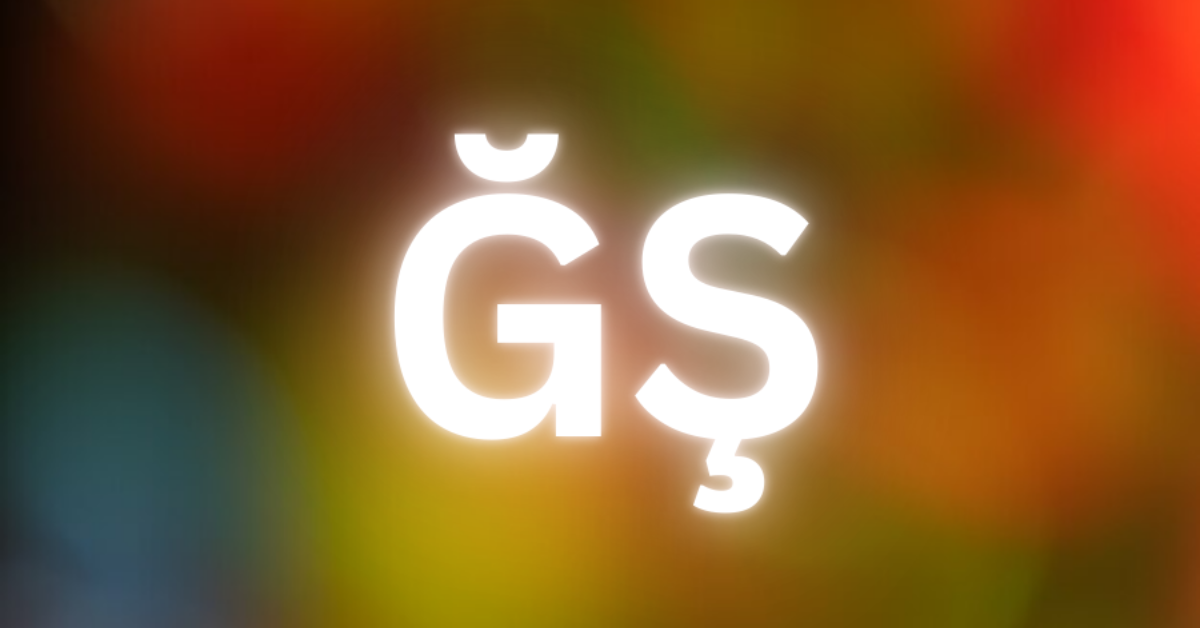
The combination “ğş” is not a word, term, or expression that exists independently in the Turkish language. Instead, it represents two distinct and unique letters from the modern Turkish alphabet: Ğ (Yumuşak G / Soft G) and Ş (S with Cedilla). These characters are exclusive to Turkish and a handful of related languages, and they do not have exact equivalents in English or many other Latin-based writing systems.
Because of this uniqueness, ğ and ş often cause confusion—especially for non-native speakers, language learners, content creators, and even digital systems that are not optimized for Turkish characters. From pronunciation challenges to typing issues, search engine visibility, and meaning changes, these letters play a far more important role than many people initially realize.
The Turkish alphabet itself was introduced in 1928, replacing the Ottoman Arabic-based script as part of a sweeping language reform led by Mustafa Kemal Atatürk. The goal was to create a phonetic, accessible, and modern writing system that closely matched spoken Turkish. Letters like Ğ and Ş were carefully designed to represent sounds that already existed in speech but lacked accurate written representation.
In today’s digital world—where communication happens across keyboards, smartphones, search engines, and global platforms—understanding how these letters work is essential. Incorrect usage can change meanings, reduce credibility, and create misunderstandings. This article explores what ğ and ş are, how they function, common mistakes, cultural significance, digital usage, and practical tips for mastering them, offering a complete and beginner-friendly guide.
Understanding the Turkish Alphabet
The Turkish alphabet includes 29 letters, such as 21 consonants and 8 vowels. Unlike English, Turkish does not include the letters Q, W, or X. Instead, it introduces several special characters designed to represent Turkish sounds accurately:
- Ç
- Ğ
- Ş
- Ö
- Ü
- İ
- I
One of the most important features of Turkish is that it is highly phonetic. Each letter typically corresponds to one consistent sound, meaning words are pronounced exactly as they are written. This makes Turkish much easier to read and pronounce once the alphabet is learned.
This predictability contrasts sharply with English, where letters can have multiple pronunciations depending on context. In Turkish, once you know the alphabet, you can confidently pronounce almost any word—even if you’ve never seen it before.
However, among all Turkish letters, Ğ and Ş stand out because they behave differently from standard consonants. While Ş is straightforward and produces a clear sound, Ğ is subtle and does not function like a traditional consonant at all.
Understanding these letters is essential for accurate pronunciation, spelling, reading, writing, and digital communication.
The Letter Ğ (Yumuşak G): Meaning and Function
What Is Yumuşak G?
The letter Ğ, known as yumuşak g or “soft g,” is one of the most distinctive features of the Turkish language. Unlike most consonants, Ğ does not produce a strong or independent sound. In fact, many learners initially believe it is silent—but that is not entirely accurate.
Instead of creating a sound, Ğ modifies the vowels around it. Its primary purpose is to lengthen the preceding vowel or create a smooth transition between vowels, contributing to Turkish’s flowing and melodic rhythm.
How Ğ Works in Pronunciation
- When Ğ follows a vowel, it extends that vowel’s period
- When placed between two vowels, it softens the transition
- It never creates a harsh or audible consonant sound
For example:
- Dağ (mountain) → pronounced with a long “a” sound
- Eğitim (education) → smooth vowel transition
Rules of Placement
Ğ follows strict grammatical rules:
- It never appears at the beginning of a word
- It always follows a vowel
- It is never doubled
- It does not appear after consonants
These rules emphasize its supportive role in pronunciation rather than meaning creation.
Why Ğ Confuses Learners
Because there is no equivalent in English, learners often struggle to understand its purpose. Some replace it with G, while others omit it entirely—both of which can result in incorrect pronunciation or unnatural speech.
However, once understood, Ğ becomes an intuitive part of Turkish pronunciation rather than a confusing obstacle.
Read More Interesting Blogs at World Simile
The Letter Ş: Pronunciation and Role
What Sound Does Ş Make?
The letter Ş consistently represents the /ʃ/ sound, equivalent to the “sh” sound in English words like:
- shoe
- ship
- shop
Unlike Ğ, Ş is clear, audible, and strong. It behaves like a standard consonant and can appear at the beginning, middle, or end of a word.
Examples:
- Şeker (sugar)
- Şişe (bottle)
- Şarkı (song)
Once learned, Ş is one of the easiest Turkish letters to recognize and pronounce correctly.
Difference Between S and Ş
This distinction is critical in Turkish.
- S → pronounced like “s” in sit
- Ş → pronounced like “sh” in she
Even though the difference may seem small, it can completely change a word’s meaning.
Examples:
- Sok → alley / thrust
- Şok → shock
Using the wrong letter can confuse readers, alter meaning, and make writing appear unprofessional—especially in formal or digital contexts.
Ğ vs Ş: Key Differences Explained
Although both letters are unique to Turkish, they serve entirely different functions.
| Feature | Ğ (Yumuşak G) | Ş |
| Sound | No independent sound | Clear “sh” sound |
| Function | Lengthens vowels | Creates consonant sound |
| Word Position | Never starts a word | Can appear anywhere |
| Impact | Affects pronunciation flow | Affects meaning directly |
Think of Ğ as a bridge between sounds, while Ş is a pillar that shapes the word itself.
Common Mistakes with Ğ and Ş
1. Replacing Ğ with G
This is one of the most common mistakes. Doing so creates a harsh sound that does not exist in natural Turkish speech.
2. Replacing Ş with S
This changes pronunciation and often meaning, leading to misunderstandings.
3. Omitting Special Characters in Digital Writing
Many users skip diacritics when typing quickly, which can:
- Reduce readability
- Change meaning
- Hurt SEO
- Appear careless to native speakers
Typing Ğ and Ş on Any Device
Windows
- Add Turkish keyboard layout via Language Settings
Mac
- Enable Turkish input or hold keys to access special characters
Mobile Devices
- Long-press G or S to get entry to Ğ or Ş
Once practiced, typing these letters becomes second nature.
Digital Importance and SEO Impact
Search engines recognize Turkish characters as distinct letters, not variations. This means:
- şeker ≠ seker
- dağ ≠ dag
Incorrect spelling can reduce:
- Search visibility
- Click-through rates
- User trust
For websites, blogs, and professional content, correct usage directly impacts SEO performance and audience credibility.
Cultural Significance of Ğ and Ş
These letters are not just linguistic tools—they are symbols of Turkish identity. They preserve authentic pronunciation, reflect historical language reform, and maintain cultural accuracy.
Ignoring or simplifying them can make text feel foreign, incomplete, or careless to native readers.
Using them correctly shows:
- Respect for the language
- Cultural awareness
- Professional competence
Practical Tips for Learners
- Read words aloud slowly
- Practice minimal pairs (sok vs şok)
- Use mnemonics:
- Ğ = gentle wind
- Ş = “shh” sound
- Ğ = gentle wind
- Watch Turkish shows and listen to songs
- Practice typing daily
Consistency matters more than memorization.
Frequently Asked Questions (FAQs)
Q1: What do Ğ and Ş represent?
Ğ modifies vowels; Ş produces a “sh” sound.
Q2: Can Ğ start a word?
No, never.
Q3: Why are they important?
They ensure correct pronunciation, meaning, and cultural accuracy.
Q4: Are they optional in digital writing?
No. Omitting them can change meaning and harm readability.
Conclusion
The letters Ğ and Ş may appear small, but their impact on Turkish language, pronunciation, digital communication, and cultural identity is immense. Ğ brings smoothness and rhythm, while Ş delivers clarity and meaning. Mastering them is not just about correct spelling—it’s about understanding how Turkish works at its core.
With consistent practice, proper tools, and awareness, anyone can learn to use these letters confidently. Whether you are a language learner, writer, developer, or content creator, respecting these characters ensures accuracy, authenticity, and trust in every form of communication.
Stay in touch to get more updates & alerts on Coop Magazine! Thank you