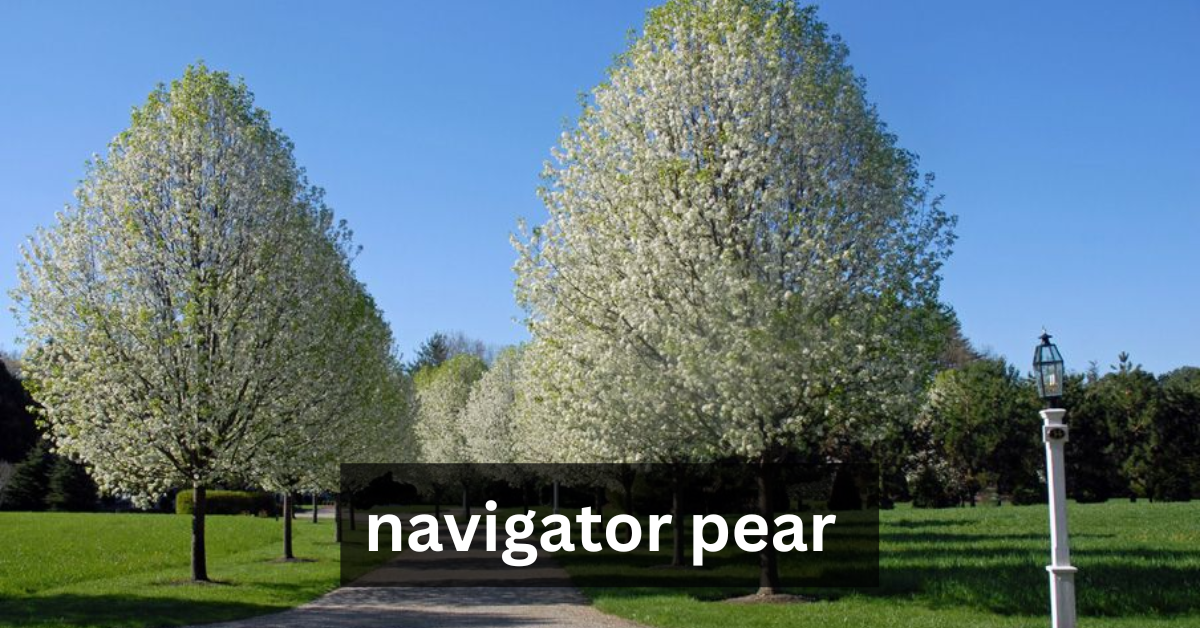
The Navigator Pear has rapidly become a favorite among gardeners, landscapers, and municipal planners for its striking appearance, minimal maintenance, and exceptional resilience. Unlike other ornamental pear trees that may struggle in colder climates or drop abundant fruit, the Navigator Pear stands out as a non-fruiting, fast-growing ornamental tree that thrives in harsh northern regions. Its pyramid-shaped canopy, glossy green foliage, and pure white spring blossoms create a striking contrast in residential yards, commercial landscapes, and urban streetscapes. Beyond aesthetics, the Navigator Pear is valued for its durability, drought tolerance, and resistance to pests and diseases, making it an excellent choice for both small-scale home gardens and large public projects. By combining elegance and practical landscaping qualities, the Navigator Pear delivers a year-round ornamental impact with minimal care requirements.
What Is a Navigator Pear Tree? Origins, Classification & Key Features
The Navigator Pear belongs to the genus Pyrus, within the Rosaceae family, a group that includes many widely appreciated flowering ornamental species. Developed as part of modern breeding programs, the Navigator Pear was designed to overcome the limitations of older cultivars such as the Bradford pear, which often had weak branch structures and high fruit drop. As a deciduous ornamental tree, the Navigator Pear exhibits a strong central leader tree structure, offering stability even in cold, windy, or urban environments. Its upright and columnar growth habit classifies it as an upright pear tree variety, making it perfect for compact landscape designs, privacy screening, or boulevard tree applications. For homeowners and municipal planners alike, the Navigator Pear provides low-maintenance landscaping benefits without sacrificing ornamental appeal, combining structural integrity with visual beauty.
Navigator Pear Characteristics: Shape, Foliage, Flowers, and Fall Color
The Navigator Pear is immediately recognizable for its pyramid-shaped canopy, which creates a clean and structured silhouette in any landscape. Its glossy green foliage stays vibrant throughout the spring and summer, providing a lush backdrop for other garden elements. In early spring, the tree bursts into white spring blossoms, creating a breathtaking display that enhances curb appeal and elevates garden aesthetics. One of the most appealing aspects of the Navigator Pear is its seasonal color transformation: during autumn, its leaves turn bright shades of orange and yellow, offering a fall-color ornamental tree experience that few other cultivars can match. Whether used as a privacy planting tree, boulevard tree, or standalone focal point, the Navigator Pear’s multi-season interest makes it a highly versatile choice for landscapes in cold-resistant regions and urban environments.
Growth Pattern: Height, Spread, and Lifespan of the Navigator Pear
The Navigator Pear typically reaches 10–12 meters in height with a spread of 5–6 meters, classifying it as a medium-sized deciduous tree. Its strong central leader and structural integrity allow it to grow in a stable, upright form, making it suitable for both residential gardens and public spaces. This cultivar exhibits fast-growing ornamental tree characteristics, maturing more quickly than many other pear varieties while retaining a compact, columnar form. Under optimal conditions, the Navigator Pear can live for several decades, providing consistent seasonal beauty and structural presence in landscapes. Its combination of drought tolerance, winter hardiness, and urban adaptability makes it a resilient street tree species that continues to thrive even in challenging northern climates.
Hardiness and Climate Suitability: Why Navigator Pear Thrives in Harsh Regions
The Navigator Pear is particularly valued for its cold-climate resilience and ability to thrive in USDA hardiness zones 2–7. This makes it an ideal option for prairie regions, northern climates, and municipal planting programs where extreme winters and fluctuating temperatures challenge other ornamental species. Its reputation as a prairie-hardy tree variety comes from its proven ability to withstand harsh winters, strong winds, and fluctuating soil moisture levels. Additionally, the Navigator Pear is an excellent choice for urban landscapes because it tolerates compacted soil, heat, and occasional drought, maintaining a low-mess, visually striking presence throughout the seasons.
Soil, Sunlight, and Water Needs: The Complete Navigator Pear Care Guide
Caring for the Navigator Pear is straightforward, which adds to its appeal for homeowners and professionals. This tree prefers well-drained soils and tolerates a variety of soil textures and pH levels, making it an adaptable soil tree variety. Full sunlight is essential to maximize its white-flowering landscape tree blooms, maintain healthy glossy foliage, and enhance its fall color display. While drought-tolerant once established, the tree requires consistent watering during its first 2–3 years to develop a strong root system. Mulching around the base helps retain moisture, regulate soil temperature, and protect young roots, ensuring the Navigator Pear thrives even in challenging landscapes. Arborists recommend periodic soil testing and attention to drainage to prevent root stress and maintain long-term health.
Planting Navigator Pear: Step-by-Step Guide for Beginners
Planting the Navigator Pear correctly ensures it establishes well and grows into a structural landscape plant. First, select a site with full sun and ample space for the tree’s mature dimensions. Prepare the soil by ensuring adequate drainage and amending it with organic material if needed. When planting, dig a hole twice the width of the root ball and slightly shallower than the root depth to prevent waterlogging. Position the tree carefully, backfill with soil, and water thoroughly. Support the tree with stakes in its first year to encourage vertical growth, preserving the strong central leader structure. Regular monitoring during the first seasons ensures the tree develops a healthy canopy and robust root system, making it a resilient street tree species for decades to come.
Pruning and Maintenance Techniques for a Healthy Navigator Pear
Proper pruning is crucial to maintain the upright pear tree variety form and avoid structural weaknesses. Early formative pruning ensures the tree develops a strong central leader, which is essential for wind and snow resistance. Branches that cross or crowd the canopy should be removed to allow airflow and sunlight penetration, reducing the risk of disease. Seasonal trimming preserves the tree’s compact landscape tree shape while preventing uneven growth. With minimal but consistent care, the Navigator Pear remains a low-maintenance landscaping tree with optimal seasonal interest and longevity.
Disease and Pest Resistance: Understanding Navigator Pear Tolerance
One of the Navigator Pear’s major advantages is its resistance to common pear diseases, including fire blight. Unlike older cultivars such as Bradford or Chanticleer pear, the Navigator Pear exhibits robust disease resistance and winter survival, making it ideal for both home gardens and municipal plantings. While relatively pest-resistant, it is still advisable to monitor for aphids, leaf spots, and scale insects. Preventive practices such as proper watering, mulching, and pruning significantly enhance its resilience, ensuring a healthy, non-fruiting ornamental tree that performs reliably in cold-resistant regions.
Navigator Pear: Elegant Ornamental Tree for Any Landscape
Navigator Pear Fruit Development: Does It Produce Edible Pears?
The Navigator Pear is primarily an ornamental cultivar and is classified as a non-fruiting pear tree. Unlike fruit-bearing pears, it produces minimal small fruit, which rarely causes a mess in landscapes. This characteristic makes it an ideal low-mess landscape tree for boulevards, urban landscapes, and residential yards, offering the visual beauty of a flowering pear without the maintenance concerns of fallen fruit. Its seasonal interest tree qualities—spring blossoms and fall foliage—remain its primary value in landscaping projects.
Landscape Uses: How Navigator Pear Enhances Residential and Urban Spaces
The Navigator Pear is versatile in various landscape applications. It works well as a privacy planting tree in suburban yards, a boulevard tree option for streets, or an accent tree in public parks. Its compact, pyramid-shaped canopy also allows it to fit into narrow or small garden spaces, making it an excellent choice for urban landscape tree species. The combination of spring flowers, fall color, and low-maintenance requirements provides year-round appeal. Landscape architects and arborists often recommend the Navigator Pear as a structural landscape plant for modern designs, offering both function and aesthetic charm.
Navigator Pear vs. Other Ornamental Pear Varieties
When compared to other popular ornamental pear trees, the Navigator Pear offers several advantages:
- Bradford pear: Susceptible to branch breakage; Navigator Pear is sturdier and more resilient.
- Chanticleer pear: Taller and slower growing; Navigator Pear matures faster and maintains a compact form.
- Trinity pear & Prairie Gem pear: Both hardy, but Navigator Pear excels as a non-fruiting, low-mess tree.
- Cleveland Select pear: Offers fall color, but Navigator Pear provides faster growth and superior disease resistance.
These comparisons highlight why the Navigator Pear is preferred in residential, commercial, and municipal plantings across northern climates.
Benefits of Growing Navigator Pear in Home Gardens and Public Areas
Growing the Navigator Pear provides numerous advantages. It enhances curb appeal and property value with its white spring blossoms and orange fall foliage, requires minimal upkeep, and is hardy enough for cold-resistant regions and urban stressors. Its low-mess, non-fruiting habit reduces cleanup needs, while its compact, structured form fits seamlessly into small yards, municipal plantings, and street tree alignments. For homeowners and landscape professionals alike, the Navigator Pear represents a balance of beauty, durability, and practical landscaping value.
Common Problems and Solutions When Growing Navigator Pear
While the Navigator Pear is hardy and low-maintenance, some issues may arise. Slow growth can occur in poorly drained or compacted soil; regular watering and soil amendment usually correct this. Leaf drop may result from inconsistent irrigation or environmental stress. Improper pruning can compromise the tree’s strong central leader, so formative pruning is critical. Monitoring for occasional pests or fungal issues and adjusting watering practices ensures long-term health and optimal performance. These proactive steps allow the Navigator Pear to thrive as a resilient street tree species or seasonal interest tree.
Best Companion Plants for Navigator Pear Trees
The Navigator Pear pairs beautifully with a variety of companion plants. Shrubs such as boxwood, spirea, and hydrangea complement its upright structure. Perennials like daylilies, hostas, and ornamental grasses highlight the tree’s seasonal color changes. Groundcovers such as creeping thyme or pachysandra enhance the base of the tree while preventing soil erosion. Thoughtful pairing with other plants maximizes visual impact and creates a structural landscape plant arrangement with multi-season interest, ideal for residential yards and urban landscapes.
Buying Guide: Where to Purchase Navigator Pear Trees
When seeking a Navigator Pear, local tree nurseries, garden centers, and horticultural suppliers are reliable sources. Inspect each tree for a healthy root system and canopy, ensure it matches the hardiness zone for your region, and confirm the cultivar’s non-fruiting, disease-resistant characteristics. Prices vary based on size, age, and quality, but investing in a well-established Navigator Pear ensures long-term performance and low-maintenance landscaping benefits.
How to Use Navigator Pear in Landscape Design Projects
The Navigator Pear can be integrated into landscapes in numerous ways:
- Street tree alignments provide shade and structure.
- Vertical accents highlight narrow suburban yards.
- Privacy hedges shield yards from neighboring properties.
- Commercial and municipal projects benefit from its resilient street tree species qualities.
Landscape architects value its compact, columnar form, seasonal beauty, and low-maintenance nature, making it a versatile addition to any landscape design with pears.
Sustainability and Environmental Impact of Planting Navigator Pear
The Navigator Pear is environmentally friendly and sustainable. Its flowers support pollinators, its canopy captures carbon, and its long lifespan reduces the need for frequent replanting. Its drought tolerance and ability to thrive in cold-resistant regions without chemical inputs make it an eco-conscious choice for modern landscapes. The tree contributes to biodiversity and enhances the visual appeal of suburban yards, urban streets, and municipal green spaces, aligning with sustainable landscaping trends.
Frequently Asked Questions
Does Navigator Pear produce edible fruit?
No. The Navigator Pear is primarily ornamental and classified as a non-fruiting pear tree, making it ideal for low-maintenance landscapes.
What USDA zones is Navigator Pear suitable for?
Navigator Pear thrives in USDA zones 2–7, suitable for northern climates and cold-resistant regions.
How tall does Navigator Pear grow?
Typically, the Navigator Pear reaches 10–12 meters in height with a spread of 5–6 meters.
Is Navigator Pear resistant to diseases?
Yes. Navigator Pear is known for fire blight resistance and minimal pest issues, making it a resilient choice.
Can Navigator Pear be planted in small yards?
Yes. Its upright pear tree variety form makes it suitable for compact landscape designs and narrow urban spaces.
Summary
The Navigator Pear is a premium ornamental pear tree offering beauty, durability, and low-maintenance care. Its upright pear tree variety form, white spring blossoms, fall-color foliage, and disease resistance make it ideal for homeowners, municipal planners, and landscape architects. Whether used as a boulevard tree, privacy screen, or centerpiece in a garden, the Navigator Pear provides consistent year-round appeal. Its adaptability to northern climates and urban landscapes ensures that it remains a top choice for resilient, attractive, and functional landscaping projects.