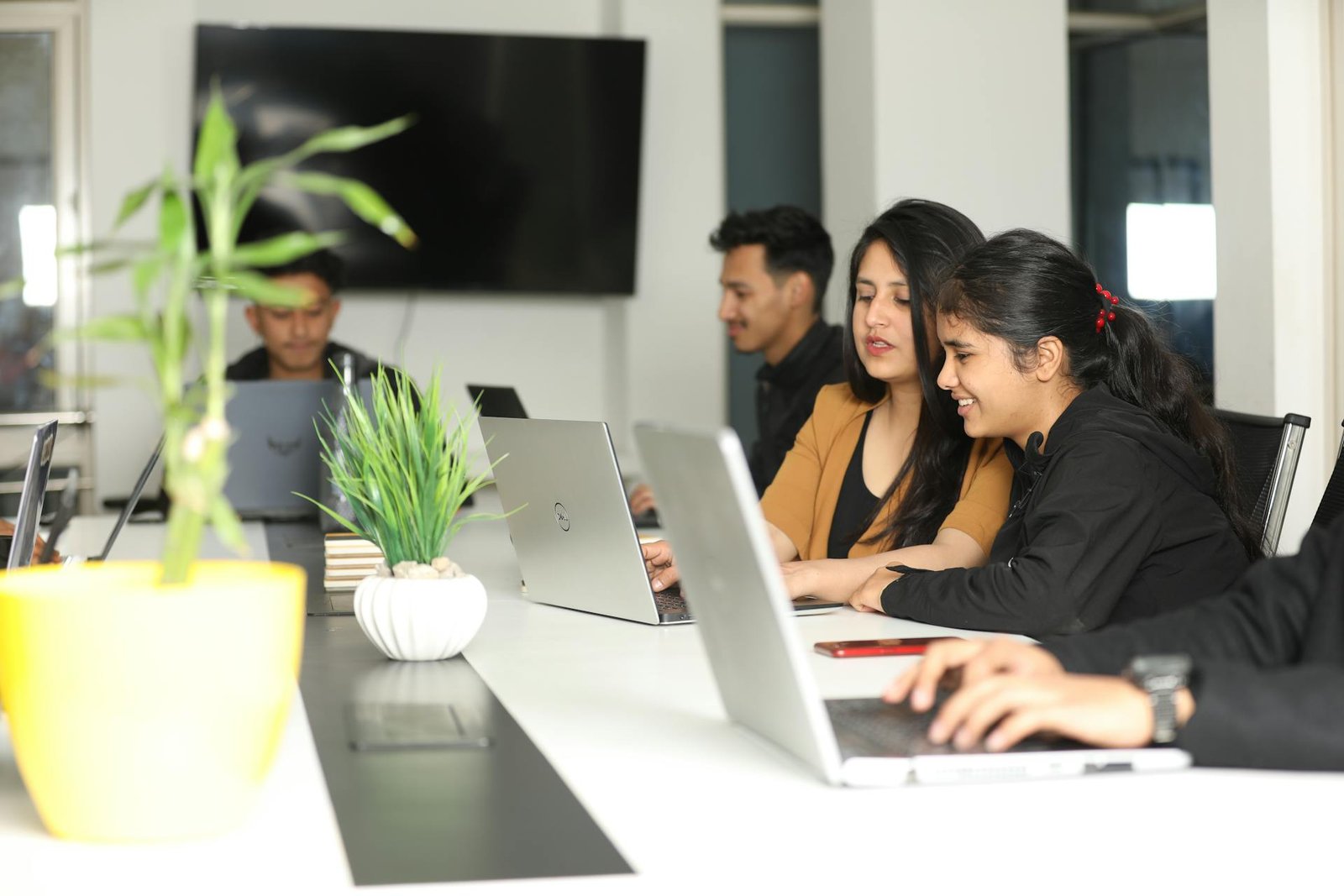
Work hasn’t suddenly become better. It’s just becoming harder to tolerate in its old form. Long hours, rigid schedules, and performative busyness used to be accepted without much resistance. That tolerance is fading. Not because people are less disciplined, but because the return on that model is getting weaker.
There’s a quiet shift happening. Productivity is no longer being treated as something separate from experience. The assumption that work must feel heavy to be valuable is starting to break. This isn’t about making work “fun.” It’s about making it make sense again.
The Shift No One Is Saying Out Loud
For years, visibility was mistaken for performance. Being present, physically or digitally, was enough to signal contribution. Hybrid work exposed how flawed that assumption is.
Someone online all day isn’t necessarily doing meaningful work. And someone working fewer, more focused hours can outperform an entire team stuck in meetings. The gap is now visible.
Research from Gallup continues to show low engagement levels globally. That’s not a motivation issue. It’s a design problem. When work is structured around control instead of outcomes, disengagement becomes predictable, not surprising.
Why the Old Model Is Quietly Failing?
The traditional workplace was built on standardisation. Same hours, same expectations, same structure. But people don’t operate that way.
Energy fluctuates. Attention drops. Some people work best in bursts, others in long stretches. Forcing everyone into one system doesn’t create consistency; it creates friction.
Then there’s the mental side of it. Repetitive, low-context work drains attention faster than intense, meaningful work. Burnout today isn’t always about working too much. It’s often about doing too much that doesn’t feel relevant.
The World Economic Forum has already pointed toward a shift: human skills, such as creativity, collaboration, and adaptability, are rising in value. Yet most workplaces are still structured in ways that suppress exactly those skills. That mismatch is where the problem sits.
Work Is Starting to Feel Different
There’s a growing move toward making work feel less mechanical. Not through surface-level perks, but through how it’s experienced day to day. Shorter meetings. Less emphasis on “looking busy.” More space to think. More autonomy in how tasks are approached.
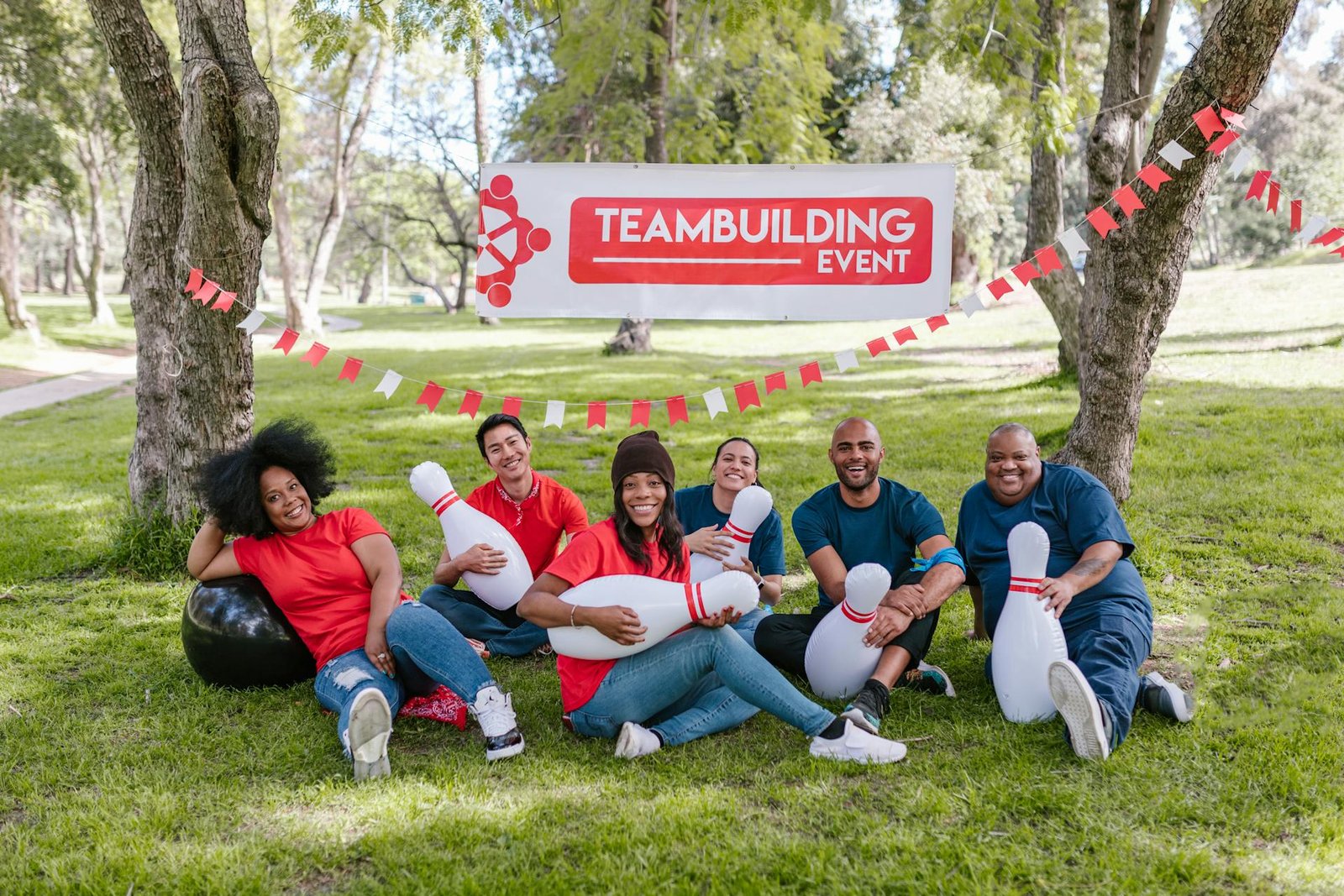
And then there’s another layer – shared experiences. Instead of forcing interaction through artificial formats, some companies are stepping outside the usual environment entirely. Not for the view or entertainment, but because interaction tends to improve when it feels less staged.
From flexible schedules to more immersive activities, including team building ideas London organisations are experimenting with, there’s a clear attempt to make collaboration feel less forced and more natural. The intent isn’t entertainment. It’s alignment. People communicate differently when they’re not confined to formal structures, and that has a measurable impact on how teams function later.
The Part That Gets Ignored
This shift isn’t automatically positive. When work starts to feel lighter or more flexible, boundaries can disappear just as quickly. Hybrid setups already blur the line between working hours and personal time. Add “always-on” communication tools, and the result is constant low-level pressure.
There’s also a tendency to confuse activity with improvement. A few well-designed experiences won’t fix deeper issues like poor leadership, unclear expectations, or uneven workloads. If the foundation is weak, adding “engagement initiatives” on top won’t hold for long. This is where most companies get it wrong: they adjust the surface without fixing the structure underneath.
What Actually Holds Up
The organisations that are seeing real results aren’t the ones adding perks. They’re the ones removing friction. Clear expectations, but flexibility in implementation and performance. Less monitoring, more accountability. Fewer unnecessary meetings. More space for focused work.
And importantly, interaction that doesn’t feel forced. People don’t engage because they’re told to. They engage when the environment doesn’t get in the way of doing meaningful work. That’s the difference.
Where This Is Heading
Work isn’t turning into leisure. That’s a misconception. What’s happening is more practical: inefficient systems are being stripped away because they no longer deliver results. The expectation now isn’t just fair pay. It’s clarity, autonomy, and an environment that doesn’t drain attention unnecessarily.
Companies that don’t adjust will keep facing the same issues, such as attrition, disengagement, and low output, regardless of how competitive they think they are. At the same time, overcorrecting into a fully “experience-driven” model without structure will create its own problems.
The balance is narrow, but clear: work should be demanding, but not draining for the wrong reasons. It doesn’t need to feel like leisure. But it also doesn’t need to feel like something people are constantly trying to escape from.
Stay in touch to get more updates & alerts on Coop Magazine! Thank you