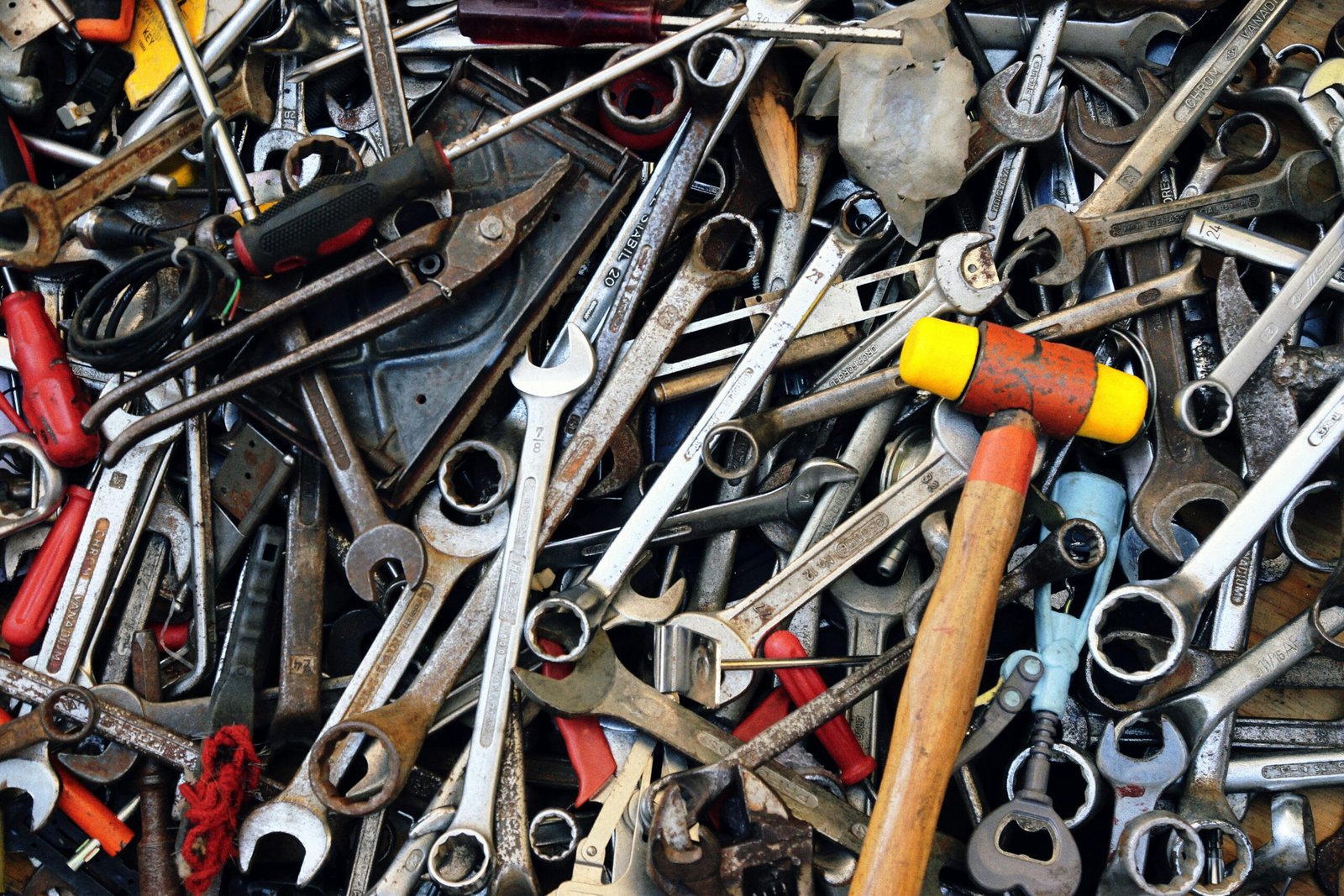
Minimalism usually gets reduced to wardrobes, neutral tones, and decluttered shelves. Tools rarely enter that conversation, but they should. Having more tools doesn’t always mean working more efficiently, especially when they don’t perform well. In practice, a tighter selection of well-made tools does more work, takes up less space, and lasts longer.
For anyone tackling DIY projects, this isn’t about aesthetics. It’s about getting things done properly, without repeating the same job twice.
Why Quality Tools Outperform Quantity
Cheap tools don’t fail all at once. They fail slowly, such as losing sharpness, slipping under pressure, or producing uneven results. That’s where time gets wasted. A hole drilled slightly off, a cut that needs redoing, a fitting that doesn’t sit right.
Better tools remove that friction. They cut cleaner, grip properly, and hold up under pressure. The difference shows up immediately, especially in jobs involving harder materials where precision actually matters.
There’s also a broader shift happening. UK households are moving toward longer-lasting purchases, partly due to rising costs, partly due to waste concerns. Organisations like WRAP have been pushing this idea for years, such as use things longer and replace less often. Tools are one of the easiest places to apply that thinking.
Essential High-Quality Tools for DIY Efficiency
Not everything needs to be top-tier. But certain tools directly affect how smoothly a job goes, and those are the ones worth getting right.
- Precision Drilling Equipment
Drilling sounds simple until the moment surfaces get tougher, such as brick, concrete, and dense materials, and cheap bits stop performing. They overheat, blunt quickly, and leave rough finishes.
Instead of cycling through replacements, using reliable equipment, such as high-quality hammer drill bits, keeps the process consistent and avoids unnecessary damage to surfaces.
- Multi-Functional Power Tools
Single-purpose tools take up space fast. A good combi drill, for example, replaces multiple tools without compromising performance. Fewer items, same output. That’s where minimalism actually works in practice, not in theory.
- Measuring and Levelling Tools
Most DIY mistakes start here. Misaligned shelves, uneven fittings, and usually down to poor measurement. A solid laser measure or even a well-made spirit level fixes that upfront. It’s not a major or pricy upgrade, but it saves time later.
- Cutting Tools with Durable Blades
Blunt tools slow everything down. More pressure, rougher edges, more clean-up. Whether it’s wood, plastic, or metal, a sharp, well-made blade changes the entire workflow. Less force, cleaner finish, fewer corrections.
- Smarter Storage Systems
This gets ignored, but it matters. Time isn’t just spent using tools; it’s spent looking for them. A compact, organised setup keeps everything accessible and prevents damage. It also forces better discipline in what gets added to the collection.
Space Efficiency and Smarter Ownership
More tools don’t mean better preparation. It usually means more clutter and slower decisions. A jam-packed toolbox makes even simple tasks feel disorganised. This is becoming more obvious in smaller living spaces, particularly in cities like London. Storage is limited, so every item needs to justify its place. That naturally pushes people toward fewer, better tools instead of bulk buying cheaper options.
There’s also a safety angle. According to The Royal Society for the Prevention of Accidents, poorly maintained or unreliable tools increase the risk of accidents at home. Quality and condition matter more than quantity.
Time Savings That Actually Add Up
Time is where the difference becomes obvious. A clean drill, a straight cut, and an accurate measurement each one saves a few minutes. Over a full project, that turns into hours. More importantly, it removes interruptions. No stopping to fix mistakes, replace worn parts, or redo sections that didn’t come out right. The work flows better, and the results look more considered.
For anyone balancing DIY with a full schedule, that efficiency isn’t optional; it’s necessary.
The Long-Term Value Perspective
Upfront cost is what most people fixate on. But that’s a short-term view. Replacing cheap tools repeatedly costs more over time, both financially and in effort.
Better tools hold their performance. They don’t need constant replacing, and in many cases, they retain some resale value. Cheap tools rarely do; they’re used until they fail, then discarded.
A More Intentional Approach to DIY
Minimalism in this context isn’t about owning less for the sake of it. It’s about owning tools that actually perform. Each tool should earn its place by proving reliability, effectiveness, and durability.
A smaller, well-thought-out toolbox accomplishes just that. Less clutter means fewer problems and greater outcomes. And, ultimately, that is the point: getting the work done well the first time, with no additional difficulties.
Stay in touch to get more updates & alerts on Coop Magazine! Thank you